
Design Guides
Functional Kitchen Designs That Are Also Beautiful (2026 Guide)
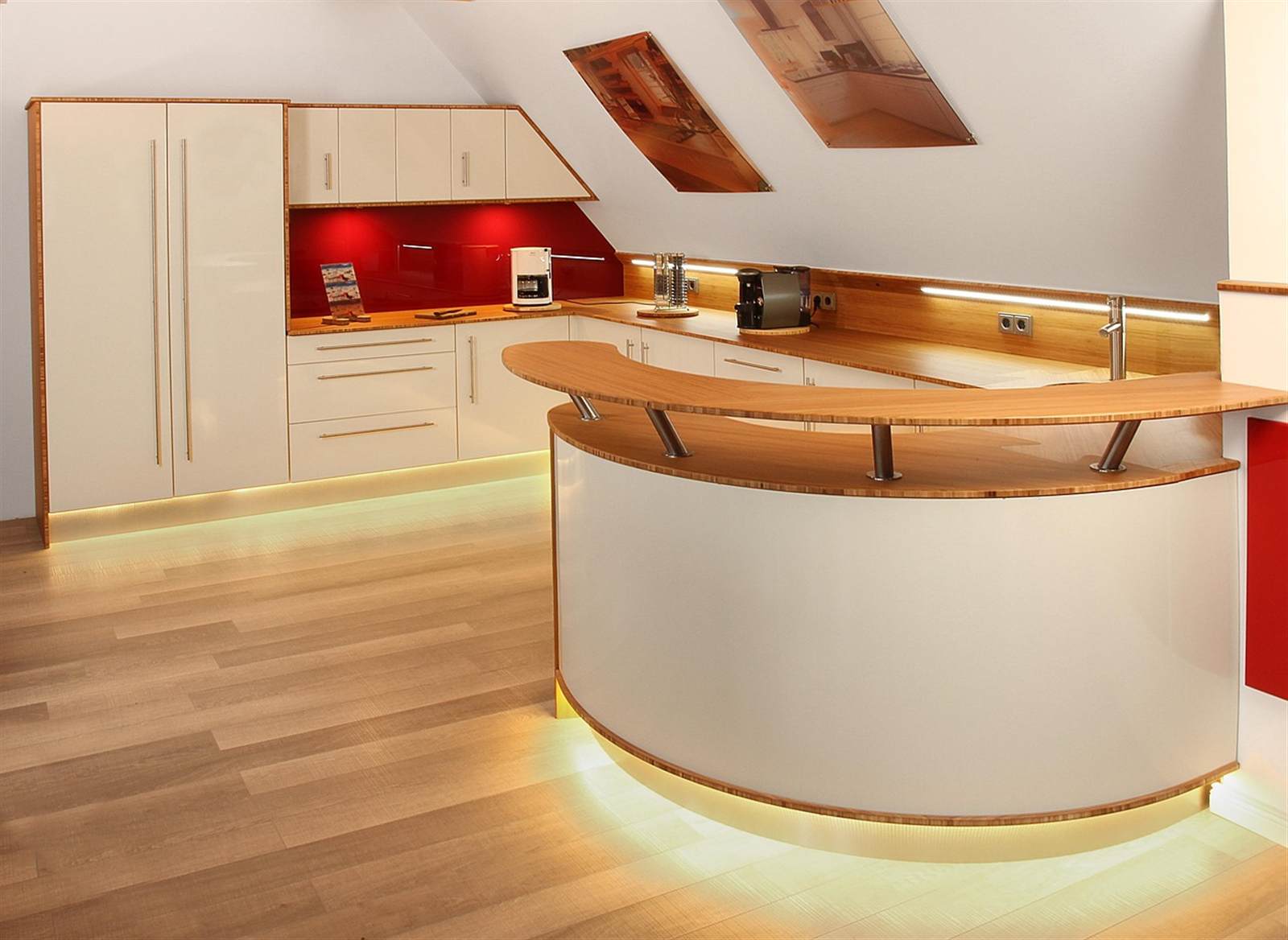
Homeowners often talk about form and function as if they're in tension — pick the pretty option or the practical one. Design research says otherwise. In interface design, people consistently rate more attractive designs as easier to use, a documented cognitive bias called the aesthetic-usability effect (Nielsen Norman Group). Kitchens follow the same pattern: the choices that make a kitchen work well are usually the same ones that make it beautiful.
Why beautiful and functional aren't actually competing goals
The idea that you have to trade beauty for function comes from a false premise: that they're measuring different things. Research on the aesthetic-usability effect shows people perceive more-aesthetic designs as easier to use, a bias first documented in a 1995 Hitachi Design Center study across 252 participants and 26 interface variants — and "apparent usability" tracked more closely with "apparent beauty" than with a design's actual, measured usability (Nielsen Norman Group).
That research is about digital interfaces, not kitchens — but the pattern shows up constantly in how our clients react to a finished space. A kitchen with a clean workflow, good sightlines, and the right amount of storage doesn't just function better. It photographs better, too, because clutter, awkward traffic paths, and mismatched proportions read as visually wrong before anyone consciously identifies why.
What does the industry's own design framework say?
Kitchen and bath professionals don't treat aesthetics and function as separate disciplines. The NKBA's official design reference — Kitchen & Bath Design Principles, now in its 2nd edition — formally documents the elements and principles (form, proportion, scale, unity, variety) that certified designers use to reconcile how a kitchen looks with how it works (NKBA). It's not treated as a style guide layered on top of function — the two are taught as one discipline.
That framework shows up in what homeowners actually say they want. Comfort, function, and easy maintenance rank as top priorities across every generation of renovating homeowners, more consistently than any single style preference (NKBA KBIS 2026 Kitchen Trends Report).
The functional choices that double as the beautiful ones
Some functional priorities do double duty more than others. 95% of homeowners cite natural lighting as a top design consideration, with quality lighting (93%) and dedicated task lighting for work zones (92%) close behind (NKBA KBIS 2026 Kitchen Trends Report). Light is purely functional — it's how you see what you're cutting — and it's also the single biggest factor in how warm and inviting a finished kitchen feels.
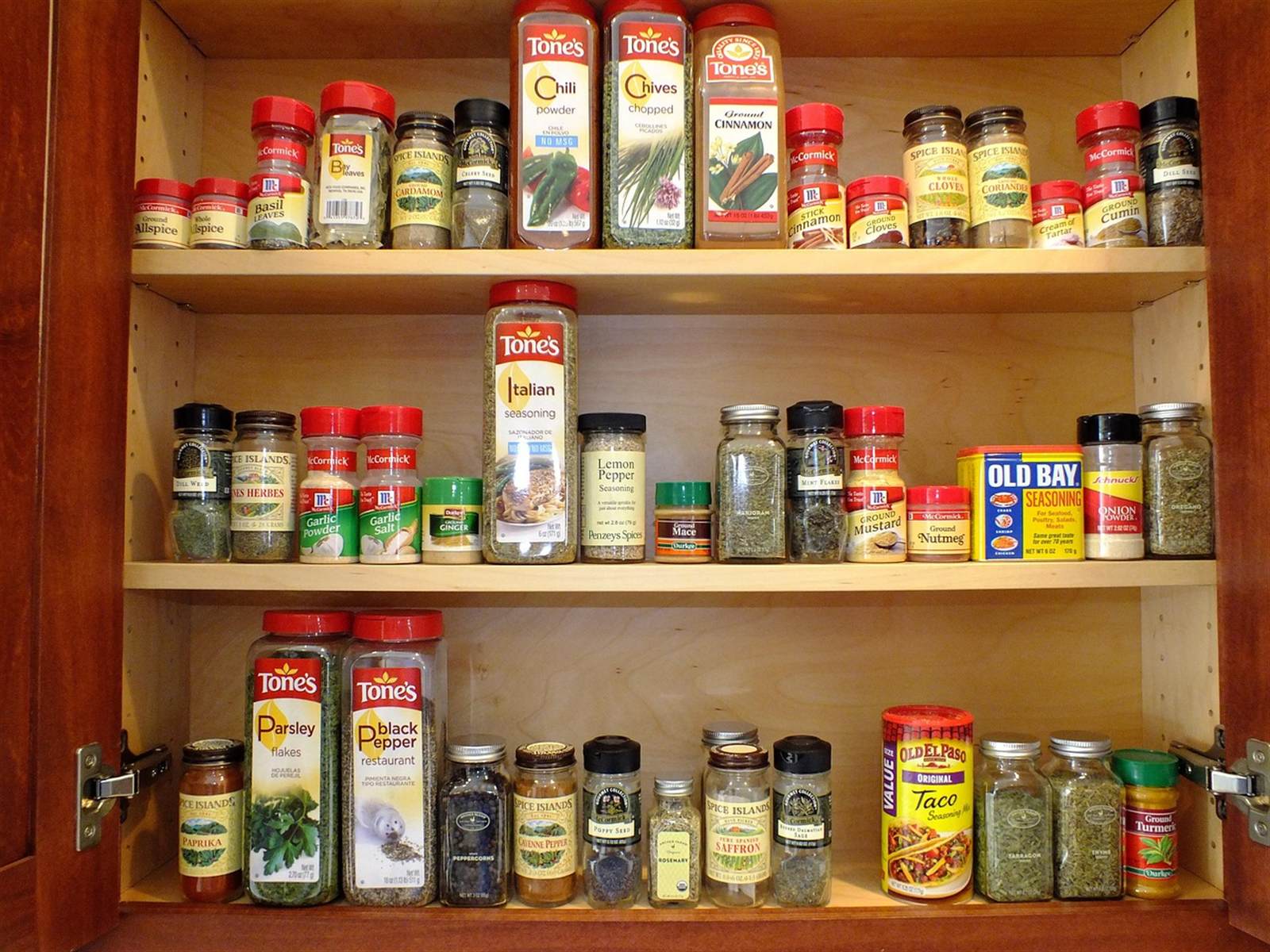
Storage follows the same pattern. 76% of homeowners add at least one built-in storage feature when remodeling, with pantry cabinets leading at 47% (Houzz 2026 U.S. Kitchen Trends Study). Well-planned storage isn't just about fitting more in — it's what keeps counters clear enough for a kitchen to look calm instead of cluttered. We've covered the specific accessories that make this work in our cabinet accessories guide.
Where beauty and function actually pull apart
They do diverge sometimes, and it's worth naming honestly. The most commonly cited kitchen renovation regret in current commentary isn't choosing something ugly — it's designing around a trend or a showroom look instead of daily-use needs, with details like fluted cabinet fronts or floating vanities praised for their appearance but criticized later for sacrificing storage or durability (Yahoo Creators, 2026).
Our finding: almost every regret we hear about later traces back to the same root cause — a choice made because it looked good in a photo, without asking how it would hold up against daily use. The fix isn't avoiding beautiful choices. It's testing every beautiful choice against how the kitchen actually gets used before it's finalized.
"Quiet luxury" as a case study in form meeting function
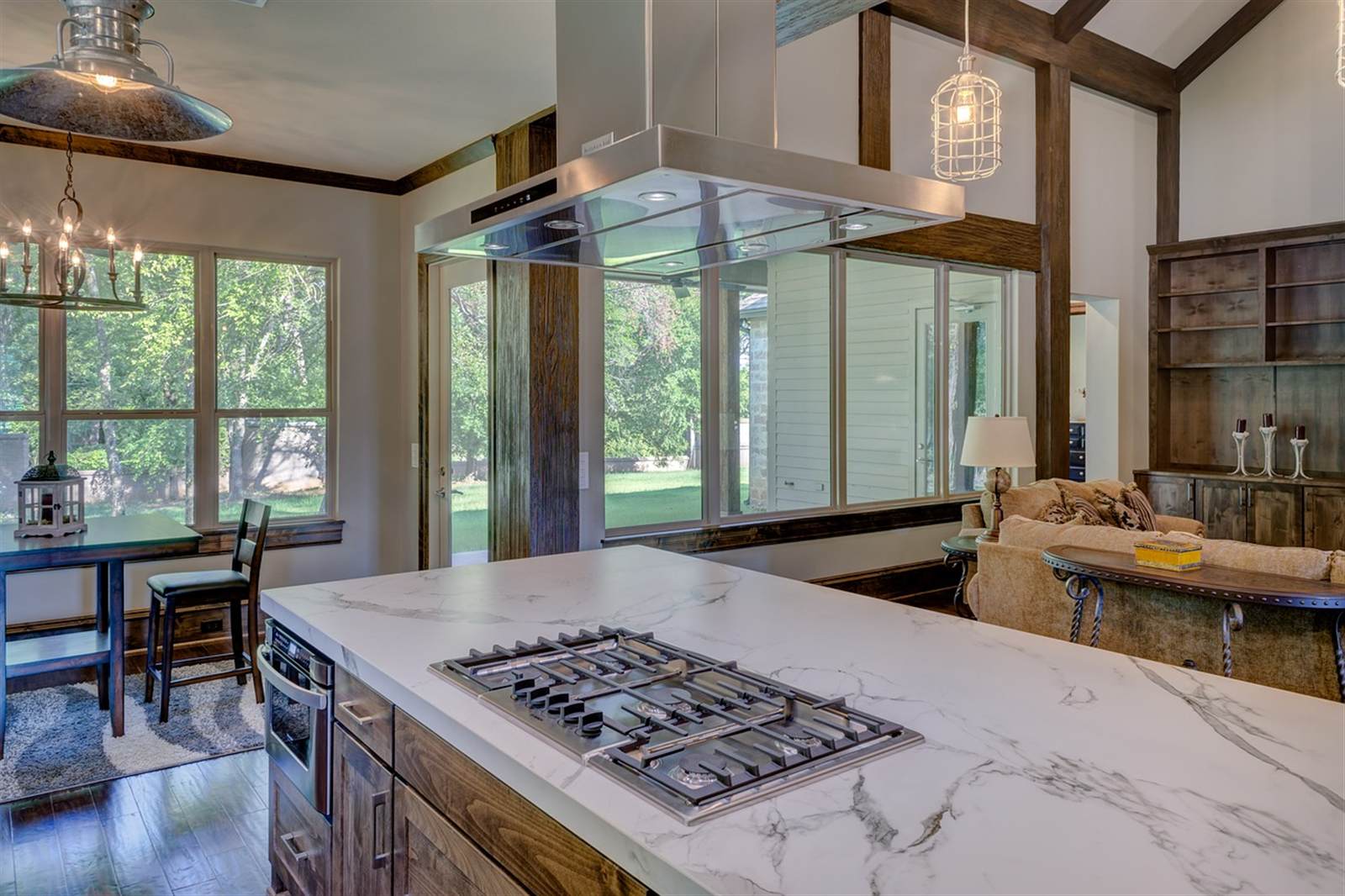
The 2026 "quiet luxury" trend is a useful example of the principle in action. Instead of ornamentation, it signals quality through material and craftsmanship — panel-ready, integrated appliances and flush, flat-front cabinetry are explicitly marketed as choices that serve both beauty and daily function at once, since they eliminate visual clutter without sacrificing usability. It's the same instinct behind hardware and door-style choices we've covered elsewhere — see our cabinet knobs vs. pulls guide and Shaker vs. raised panel guide for how those specific decisions play out.
A framework for thinking about both at once
| Design Principle | How It Serves Function | How It Serves Beauty |
|---|---|---|
| Efficient workflow / zoning | Reduces steps between prep, cook, clean | Creates visual order and uncluttered sightlines |
| Proportion & scale of storage | Fits real inventory, reduces clutter | Cabinets read as balanced, not oversized or undersized |
| Material and hardware consistency | Durable, easy-to-clean surfaces | Cohesive, "quiet luxury" aesthetic |
| Natural and layered lighting | Task visibility, reduces prep errors | Warms materials, softens hard lines |
| Island as multi-use anchor | Adds prep, seating, and storage capacity | Serves as the room's visual and social focal point |
| Concealed/integrated storage | Keeps daily tools accessible but out of sightline | Delivers a flush, minimal look |
| Universal/accessible design | Usable by all ages and abilities | Increasingly a mainstream aesthetic standard, not a compromise |
Source: NKBA Kitchen & Bath Design Principles, NKBA KBIS 2026 Trends Report, Houzz 2026 Kitchen Trends Study.
For depth on any single row, see our guides on the kitchen work triangle and zones, kitchen island benefits, two-tone kitchen design, and accessible kitchen design.
Frequently asked questions
Do beautiful kitchens sacrifice functionality?
Not inherently — research on the aesthetic-usability effect shows attractive design and perceived usability tend to reinforce each other rather than compete. Problems arise when a choice is made purely for looks without testing it against daily use.
What do homeowners actually prioritize in kitchen design?
Comfort, function, and easy maintenance rank as top priorities across every generation, more consistently than any single style trend (NKBA KBIS 2026 Kitchen Trends Report). Natural lighting is the single most-cited specific consideration, at 95%.
What's the most common kitchen design regret?
Designing around a trend or showroom look instead of daily-use needs — details that photograph well but don't hold up functionally, like storage-poor statement features chosen for appearance alone (Yahoo Creators, 2026).
What is "quiet luxury" in kitchen design?
A 2026 trend that signals quality through material and craftsmanship rather than ornamentation — panel-ready appliances and flush cabinetry are examples explicitly designed to serve both function and beauty simultaneously.
Is there research connecting beauty and usability outside of kitchens?
Yes. The aesthetic-usability effect, documented in interface design research, shows people perceive more attractive designs as easier to use — a cross-disciplinary parallel that applies to physical spaces as much as digital ones.
The bottom line
The tension between beautiful and functional kitchen design is mostly a false choice. The research — from NKBA's own design framework to the aesthetic-usability effect in unrelated fields — points the same direction: good function and good looks reinforce each other more often than they conflict. Where they do pull apart, it's almost always because a choice was made for a photograph instead of daily use. Design for how you actually cook, and the beauty tends to follow.
Book a design consultation and we'll help you build a kitchen that works and looks the part, together.
Sources
- Nielsen Norman Group, The Aesthetic-Usability Effect, retrieved 2026-08-10, link
- NKBA, Kitchen & Bath Design Principles, 2nd Edition, retrieved 2026-08-10, link
- NKBA, KBIS 2026 Kitchen Trends Report, retrieved 2026-08-10, link
- NKBA, Research Reveals Design and Lifestyle Trends at KBIS, retrieved 2026-08-10, link
- Houzz, 2026 U.S. Kitchen Trends Study, retrieved 2026-08-10, link
- Yahoo Creators, 10 Kitchen Trends Homeowners Are Already Regretting in 2026, retrieved 2026-08-10, link