
Design Guides
Shaker vs. Raised Panel Kitchen Cabinets: Which Door Style Is Right for You? (2026)
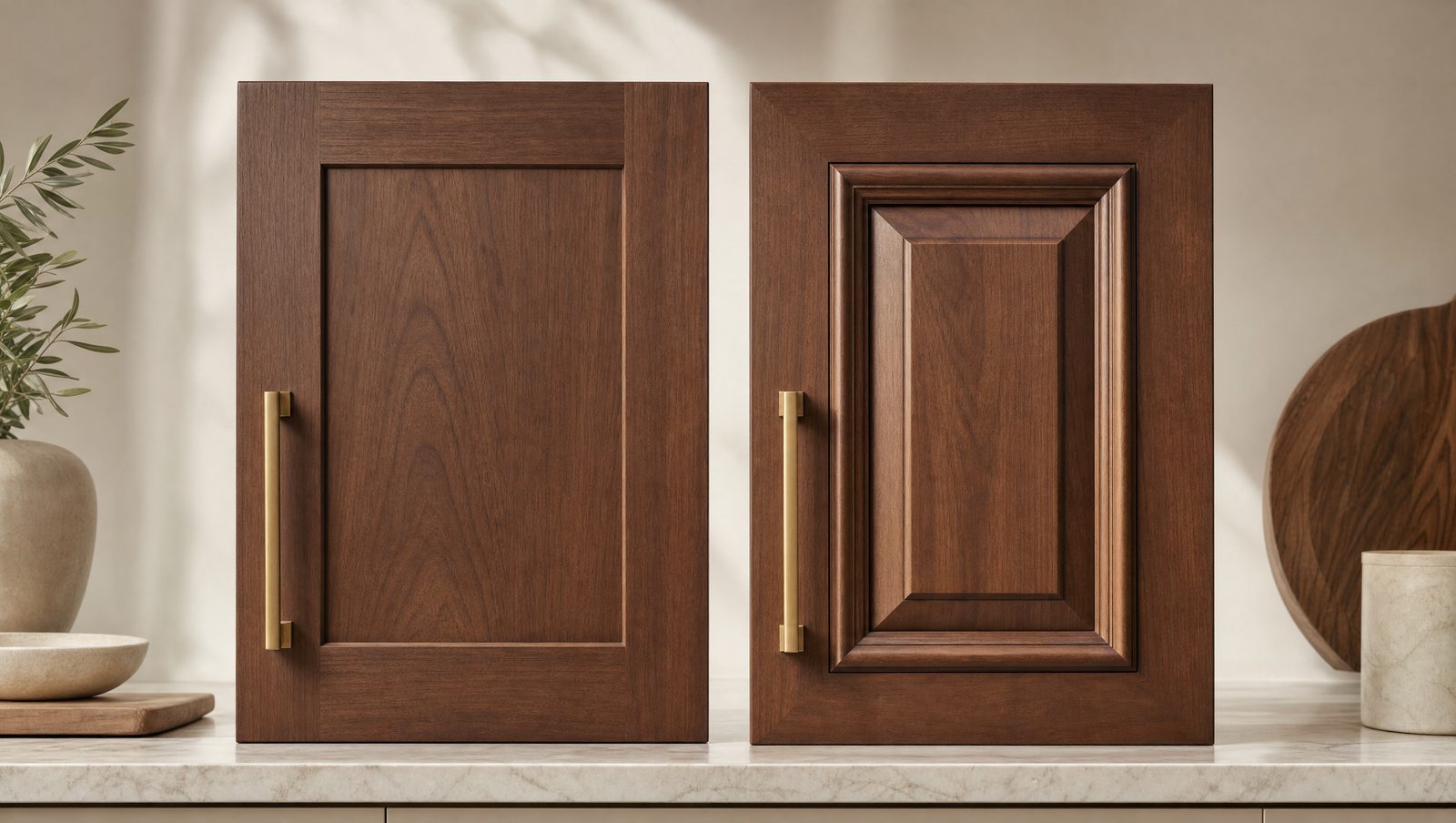
Cabinet doors are the face of your kitchen. Pick the wrong style and no countertop or backsplash will save the room. The choice usually comes down to two: the clean, flat-panel Shaker or the detailed, sculpted raised panel. Here's how we help clients decide — and what each one is genuinely better at.
What is the difference between Shaker and raised panel cabinets?
A Shaker door is a five-piece door with a flat center panel and square, unadorned edges. A raised panel door uses the same frame construction, but the center panel is contoured so it sits proud of the surrounding rails and stiles (Fabuwood, 2026). That single difference drives everything else.
Shaker reads clean and quiet. Raised panel reads detailed and formal. Neither is inherently better — they're answering different questions about how you want the room to feel.
| Feature | Shaker | Raised panel |
|---|---|---|
| Center panel | Flat, recessed | Contoured, sits proud |
| Edges | Square, plain | Molded, decorative |
| Look | Clean, versatile, timeless | Ornate, traditional, formal |
| Cleaning | Easier — flat surfaces | More grooves to wipe |
| Hides wear | Shows dings more | Conceals minor marks |
| Relative cost | Lower — simpler build | Higher — more labor, detail |
Source: Fabuwood, Kitchen Cabinet Kings & Kitchen Cabinet Depot, 2026.
Which cabinet style is easier to clean?
Shaker wins on maintenance. Its flat surfaces and minimal profiles mean fewer places for grease and dust to settle, so a wipe-down takes seconds (Kitchen Cabinet Kings, 2026). Raised panel doors have curves, grooves, and decorative edges that collect dust and need more regular attention.
Is that a dealbreaker? Not usually — but it's worth knowing before you commit. In a kitchen that cooks hard, the difference shows up every week, not once a year.
Which style is more durable?
Both are built the same way, so durability is closer than most people assume. Raised panel doors use a frame engineered to carry the heavier contoured panel and molding, which adds structural strength (Cabinet Door Factory, 2026). Shaker doors are prized for exactly the opposite reason: simplicity means fewer details to damage.
What actually determines lifespan isn't the door style — it's the construction behind it. Joinery, wood species, finish quality, and hardware do the real work.
Our finding: in the kitchens we build, door style almost never predicts how well a kitchen ages. Construction does. We've seen twenty-year-old Shaker doors that look new, and ornate raised panels that failed early because the box behind them was cheap. Choose the style you love, then insist on the build quality underneath.
When should you choose Shaker cabinets?
Choose Shaker when you want versatility and longevity in the look. Its clean, simple design suits modern, transitional, and even farmhouse kitchens, and it has stayed in style for decades (Fabuwood, 2026). It also costs less to build, since the simpler door takes less labor.
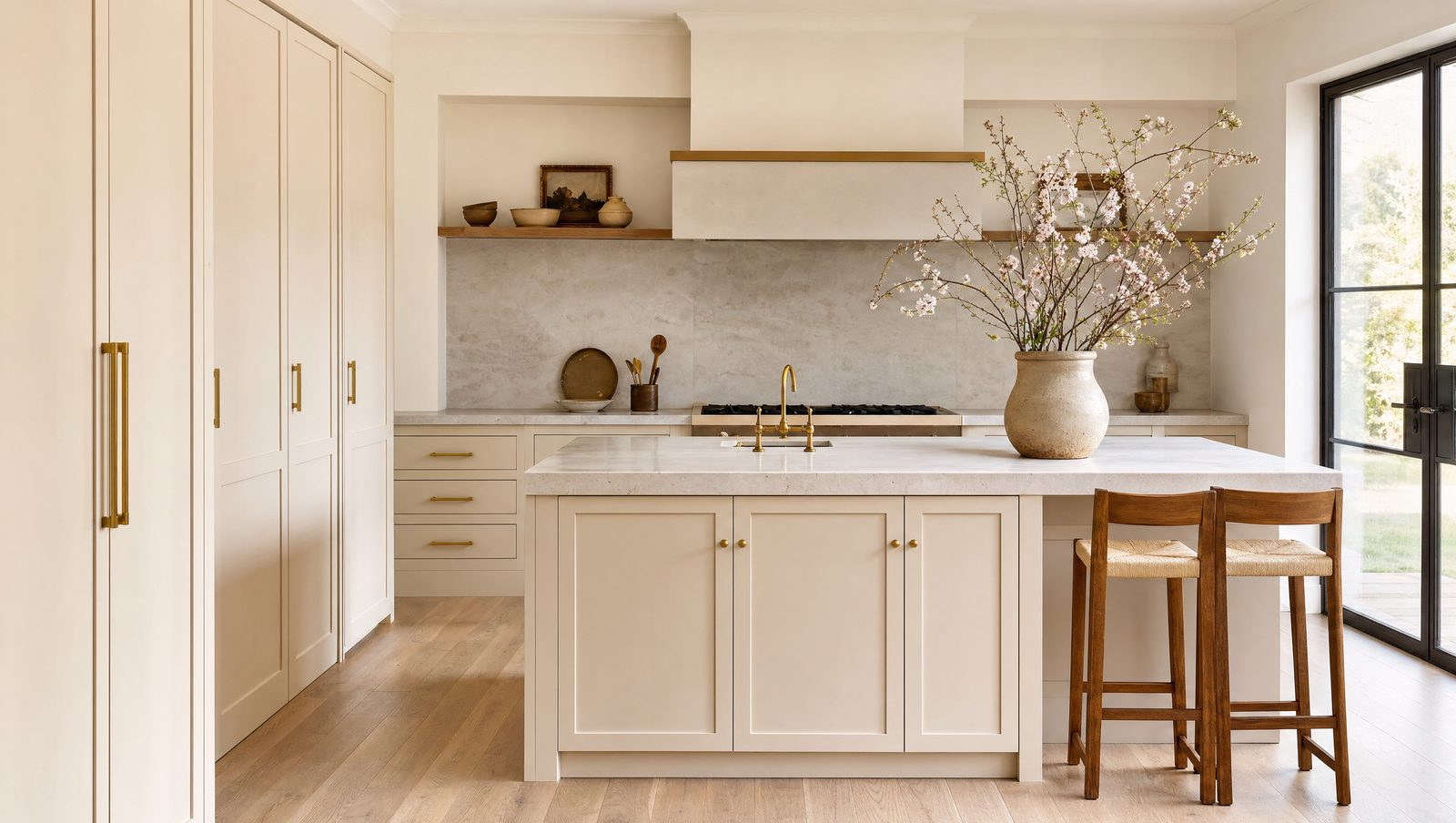
Shaker's flexibility is the real argument. A high-gloss finish pushes it contemporary; a painted matte finish pulls it traditional. The door adapts to the rest of the room instead of dictating it.
The trade-off: some homeowners find it lacks a wow factor. If you want the cabinetry itself to be the statement, Shaker may read too quiet.
When is raised panel the better choice?
Raised panel earns its place when you want the cabinetry to carry the room. Its detailing adds a rich, formal look that suits classic and traditional kitchens, and the contoured profile conceals small dings and scratches better than a flat door (Kitchen Cabinet Depot, 2026).
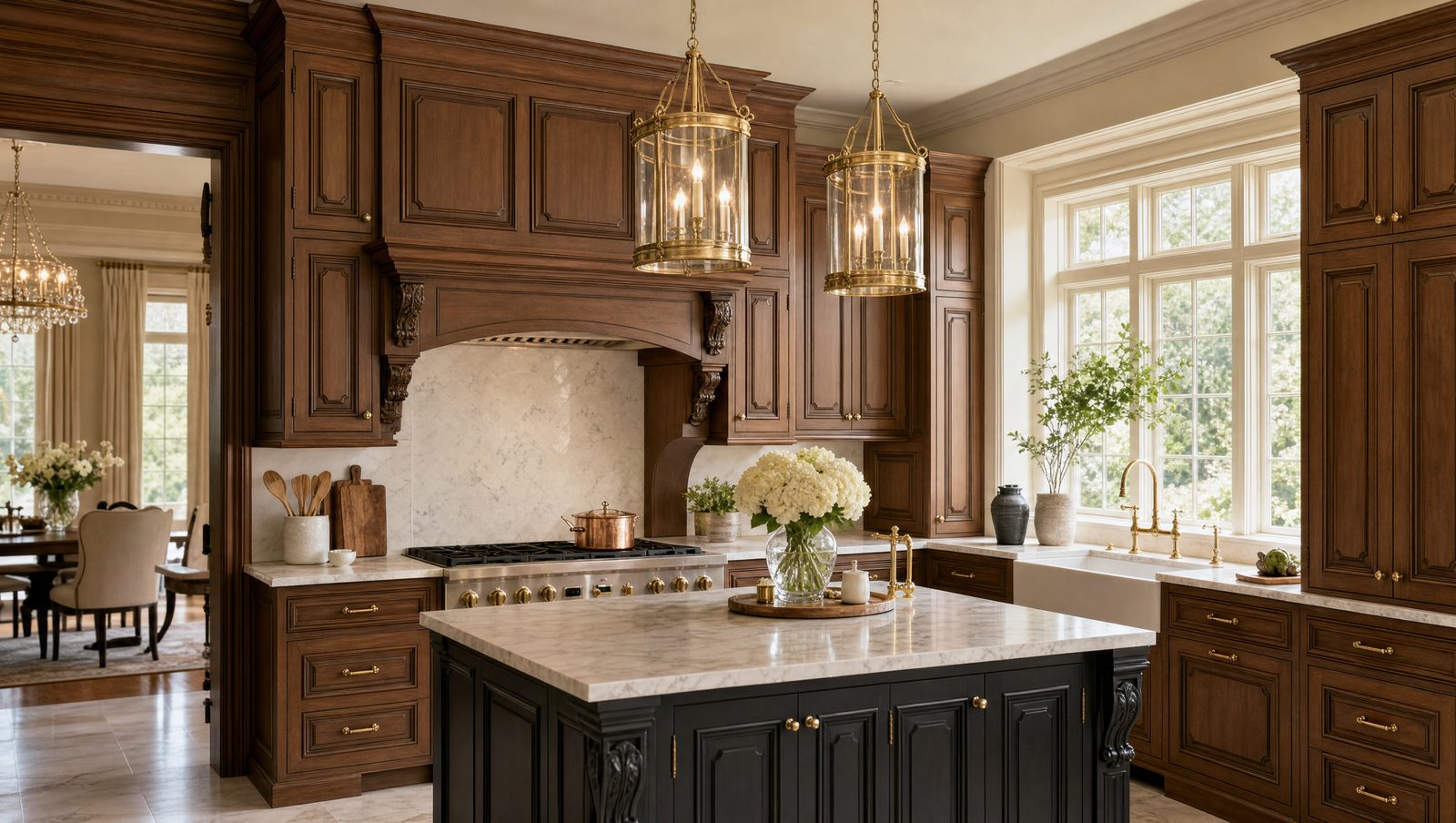
It also modernizes better than its reputation suggests. Paired with a neutral color and sleek hardware, a raised panel door loses the dated feel people fear and reads simply as well-made (SMY, 2026).
The trade-offs are real, though: more labor means a higher cost, and more grooves mean more cleaning.
Which door style suits your kitchen best?
Start with the room, not the door. If your home leans modern or transitional, or you want cabinetry that recedes so a stone or backsplash can lead, Shaker is the safer, more flexible pick. If your home is traditional and you want the cabinets themselves to be the feature, raised panel delivers a depth Shaker can't.
Then pressure-test it against how you live. Cook constantly and hate cleaning grooves? Shaker. Want a formal room that forgives everyday wear? Raised panel. Kitchens come in every style, so there's no universal answer — only the right one for yours. You can explore our cabinetry options to see both in person.
Frequently asked questions
What is a Shaker cabinet door?
A Shaker door is a five-piece door with a flat center panel and square, unadorned edges (Fabuwood, 2026). Its simple, clean design suits modern, transitional, and farmhouse kitchens, and it has stayed in style for decades.
What is a raised panel cabinet door?
A raised panel door has a contoured center panel that sits proud of the surrounding frame, with decorative molding around it (Fabuwood, 2026). It reads formal and traditional, and suits classic kitchens.
Are Shaker cabinets cheaper than raised panel?
Generally, yes. Shaker doors are simpler to build and take less labor than the contoured panels and molding of a raised panel door (Kitchen Cabinet Kings, 2026). The difference depends on wood, finish, and the size of your kitchen.
Are raised panel cabinets outdated in 2026?
No. Raised panel reads traditional, but a neutral color and sleek hardware modernize it easily (SMY, 2026). It looks classic rather than dated when the finish and hardware are chosen well.
Which cabinet door style is easier to keep clean?
Shaker. Its flat surfaces and minimal profiles give grease and dust fewer places to settle, while raised panel doors have grooves and decorative edges that need more regular wiping (Kitchen Cabinet Kings, 2026).
The bottom line
Shaker is the versatile, low-maintenance, timeless choice — a door that adapts to your kitchen. Raised panel is the formal, detailed choice — a door that defines it, forgives wear, and asks for a bit more cleaning in return. Pick the one that matches your home, then put your attention where it actually counts: the construction behind the door.
Book a design consultation and we'll help you choose with the doors in your hands.
Sources
- Fabuwood, Shaker vs. Raised Panel Kitchen Cabinets, retrieved 2026-07-14, link
- Kitchen Cabinet Kings, Shaker vs. Raised Panel Cabinets: Choosing the Right Door Style, retrieved 2026-07-14, link
- Kitchen Cabinet Depot, Raised Panel Cabinets vs. Shaker: Which Style Is Right For You?, retrieved 2026-07-14, link
- Cabinet Door Factory, Shaker vs. Raised Panel Cabinet Doors, retrieved 2026-07-14, link
- SMY, Shaker vs Raised Panel Cabinets: Which Style Fits Your Kitchen Best?, retrieved 2026-07-14, link