
Design Guides
Kitchen Cabinet Knobs vs. Pulls: Which Should You Choose? (2026 Guide)
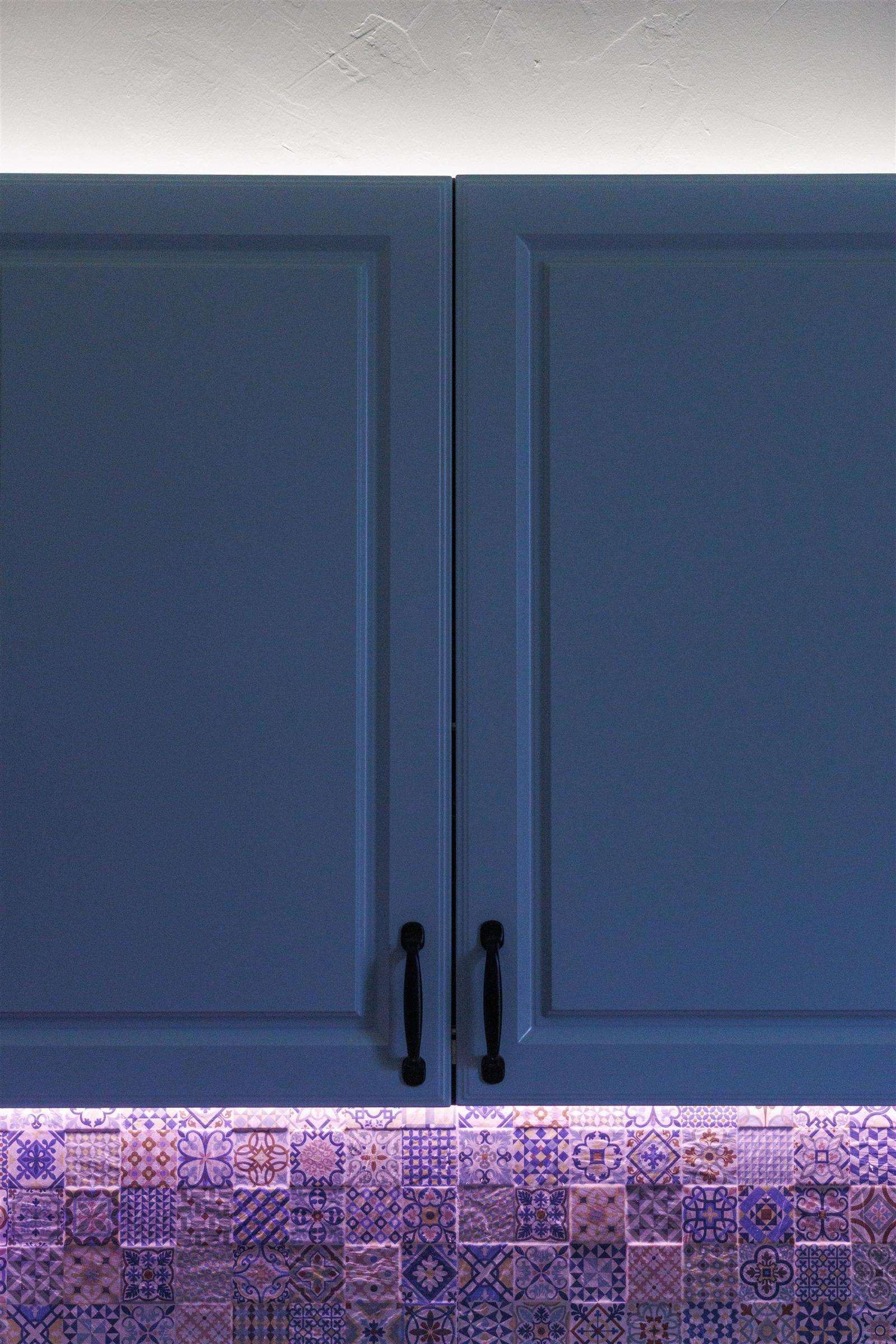
Hardware seems like a small decision, but it changes how a kitchen actually feels to use every day. Federal accessibility guidance is specific about this: cabinet hardware must not require tight grasping, pinching, or wrist-twisting to operate, and needs no more than 5 lbf of force (U.S. Access Board, ADA Operable Parts standard). That single rule explains most of the practical difference between knobs and pulls.
What's the real difference between knobs and pulls?
The difference comes down to grip mechanics, and it's not a minor detail. Federal accessibility guidance specifically flags hardware that requires tight grasping, pinching, or twisting the wrist as non-compliant for accessible design — which describes exactly how a traditional round knob operates (U.S. Access Board, ADA Operable Parts standard). A pull, by contrast, is built for a whole-hand grasp across a wider surface, which needs less fine motor control to operate.
That single mechanical difference explains most of what follows in this guide — where each type gets placed, which one holds up better over time, and which one makes more sense if accessibility is a priority.
Where do knobs and pulls typically go?
Design convention places knobs on cabinet doors and pulls on drawers and heavier lower cabinetry — pulls use two mounting points, which spreads the mechanical stress and holds tighter under repeated whole-hand pulling force (Rocky Mountain Hardware). Knobs need only one screw, which keeps their visual footprint smaller — a natural fit for upper cabinets and detailed door styles like Shaker or raised panel.
Placement follows its own convention, too. Knobs typically sit 2.5" to 3" from the door corner — the bottom corner on upper cabinets, the top corner on lower cabinets — so your hand doesn't have to reach up or down awkwardly to grab them (CliqStudios). Drawer pulls generally run about a third the width of the drawer front; a 36-inch drawer typically gets roughly a 12-inch pull, while drawers narrower than 24 inches usually get a single centered knob instead.
Which is better for accessibility and aging in place?
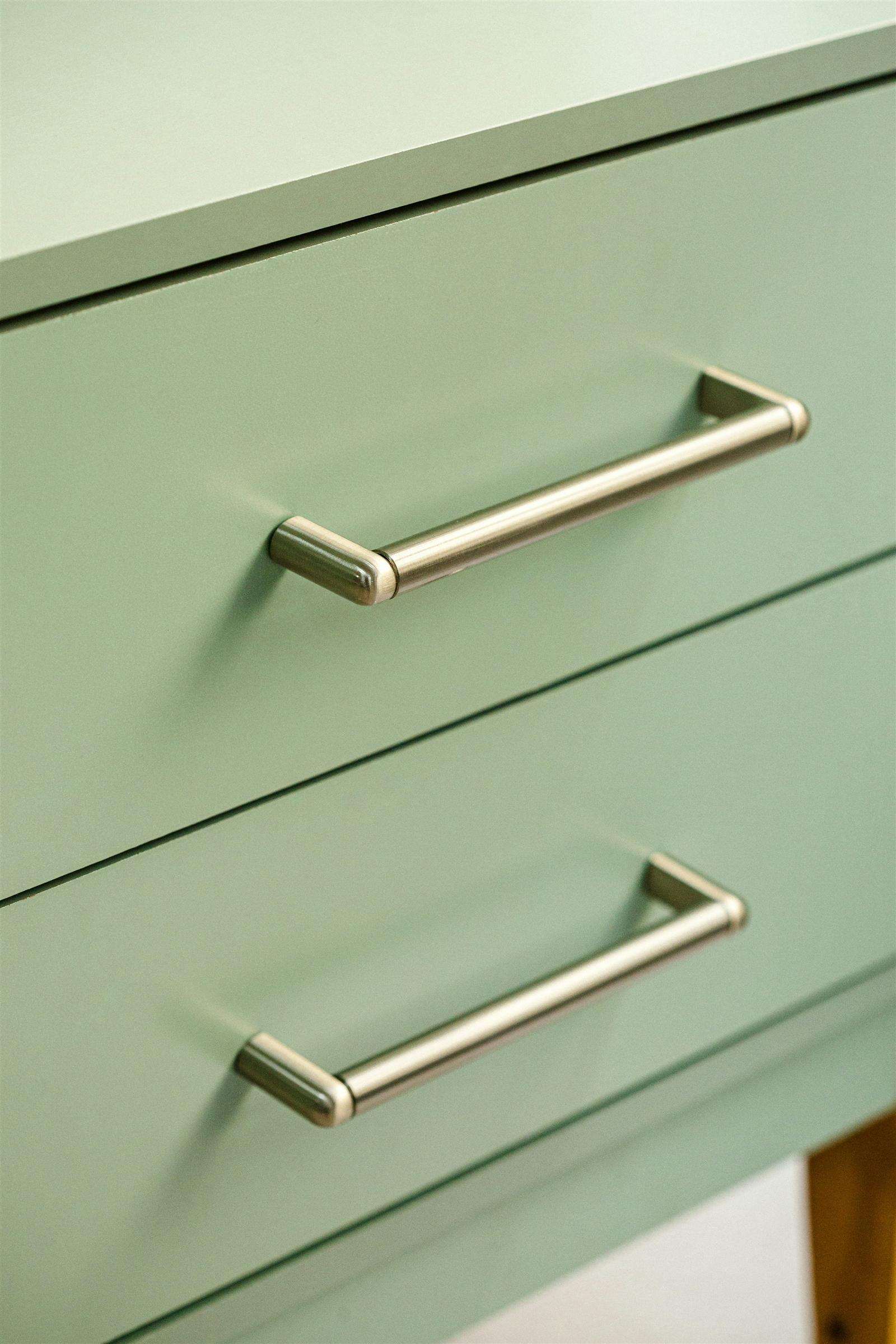
Pulls are generally the better choice if accessibility is a priority. Their whole-hand grip and wider surface contact make them easier to operate for anyone with limited hand strength or dexterity, and certain shapes — D-shaped and C-channel pulls, for instance — can even be opened with a closed fist or an elbow when hands are full. That flexibility is directly consistent with the ADA operable-parts standard's requirement that hardware avoid tight pinching or wrist-twisting.
Our finding: clients planning to stay in a home long-term increasingly ask for pulls throughout, not just on drawers, specifically for this reason. It's a small hardware decision now that pays off if grip strength or dexterity changes later.
Knobs aren't disqualifying for accessible design — a loosely grippable, stationary knob can still meet the standard — but pulls are the more forgiving default if you're designing with aging in place in mind.
Which finish is trending in 2026?
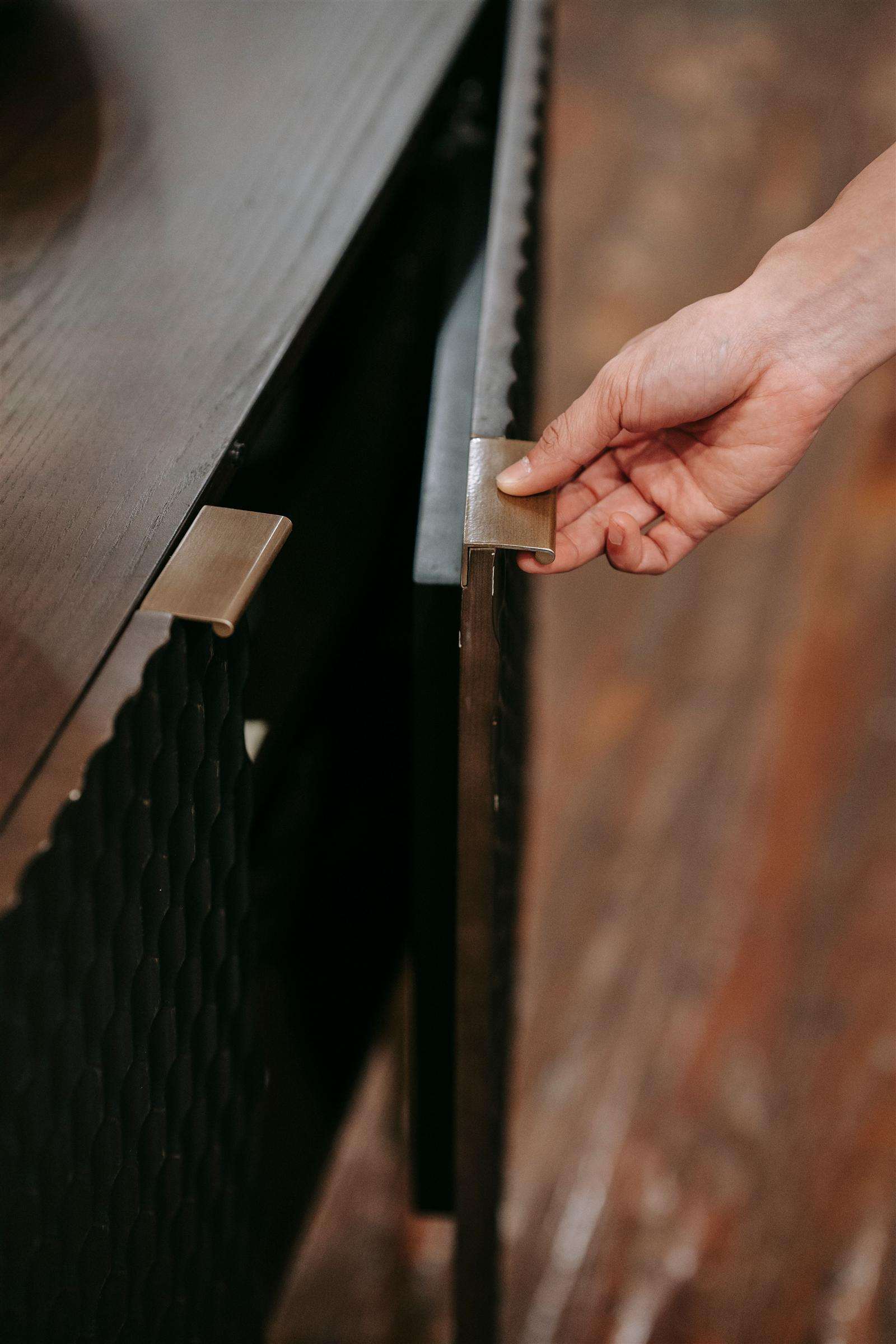
Brushed nickel led every other finish in 2025, chosen well ahead of black by homeowners renovating their kitchens (Houzz 2025 U.S. Kitchen Trends Study). Heading into 2026, warm and mixed metals — brushed brass, aged bronze that develops its own patina — along with oversized, longer pulls and textured detailing are the directions designers are leaning toward, while glossy lacquer finishes are fading (Homes & Gardens, 2026).
If you're planning a two-tone kitchen, hardware finish is one of the easiest ways to tie contrasting cabinet colors together — a consistent metal across both tones reads intentional, while mismatched finishes can make a two-tone kitchen feel accidental instead of designed.
Can you mix knobs and pulls in one kitchen?
Yes, and it's become the mainstream choice rather than a compromise. The classic split — knobs on doors, pulls on drawers — remains the most common approach, but plenty of kitchens now go one hardware type throughout instead, and neither reads as more "correct" than the other. What matters more than which convention you follow is consistency: pick one approach and apply it evenly across the kitchen rather than mixing inconsistently from cabinet to cabinet.
Knobs vs. pulls at a glance
| Dimension | Knobs | Pulls |
|---|---|---|
| Grip | Pinch grip, sometimes wrist rotation | Whole-hand grasp across a wider surface |
| Typical placement | Cabinet doors | Drawers and heavier/lower cabinetry |
| Mounting | One screw | Two screws — more holding strength |
| Style | Subtler, more traditional | Bolder, reads more modern |
| Accessibility | Works if loosely grippable and stationary | Generally the better default for aging in place |
| Relative cost tier | Lower — less material, one mounting point | Higher — more material, two mounting points |
Source: U.S. Access Board, Rocky Mountain Hardware, CliqStudios, DK Hardware, Houzz, Homes & Gardens, 2025/2026.
Frequently asked questions
Are pulls better than knobs?
Not universally — pulls offer a whole-hand grip that's generally easier to operate and better suited to aging-in-place design, while knobs have a smaller visual footprint that suits detailed door styles and upper cabinets. Neither is objectively better; they solve different problems.
Do knobs go on doors or drawers?
Convention places knobs on doors and pulls on drawers, since pulls use two mounting points that give them more strength for repeated whole-hand pulling. Many kitchens today use one hardware type throughout instead, which is equally common.
What is the standard placement for a cabinet knob?
Roughly 2.5 to 3 inches from the door corner — the bottom corner on upper cabinets and the top corner on lower cabinets — so your hand reaches it naturally without an awkward angle.
Is cabinet hardware an accessibility consideration?
Yes. Federal accessibility guidance specifically requires that hardware avoid tight grasping, pinching, or wrist-twisting motions, which round knobs are more likely to require than pulls (U.S. Access Board, ADA Operable Parts standard).
What cabinet hardware finish is most popular right now?
Brushed nickel led all finishes among homeowners in 2025, while designers are increasingly favoring warm and mixed metals like brushed brass and aged bronze heading into 2026 (Houzz 2025 Kitchen Trends Study; Homes & Gardens, 2026).
The bottom line
Knobs and pulls aren't really competing for the same job. Knobs suit doors and detailed styling with a smaller visual footprint; pulls suit drawers, heavier daily use, and accessible design with their whole-hand grip. Most kitchens do best with some combination of both, chosen deliberately rather than by default — and if accessibility matters to your household now or down the road, that should weigh into the decision as much as style.
Book a design consultation and we'll help you choose hardware that looks right and works the way your kitchen needs it to.
Sources
- U.S. Access Board, Guide to the ADA Standards — Chapter 3: Operable Parts, retrieved 2026-08-06, link
- Houzz, 2025 U.S. Kitchen Trends Study, retrieved 2026-08-06, link
- Homes & Gardens, 9 Kitchen Hardware Trends Designers Say You Need to Know About for 2026, retrieved 2026-08-06, link
- CliqStudios, How to Place Cabinet Knobs, retrieved 2026-08-06, link
- DK Hardware, Cabinet Hardware Placement & Sizing Guide, retrieved 2026-08-06, link
- Rocky Mountain Hardware, How to Mix Knobs and Pulls on Kitchen Cabinets, retrieved 2026-08-06, link