
Materials & Finishes
The Ten Best Types of Kitchen Countertops (2026 Guide)
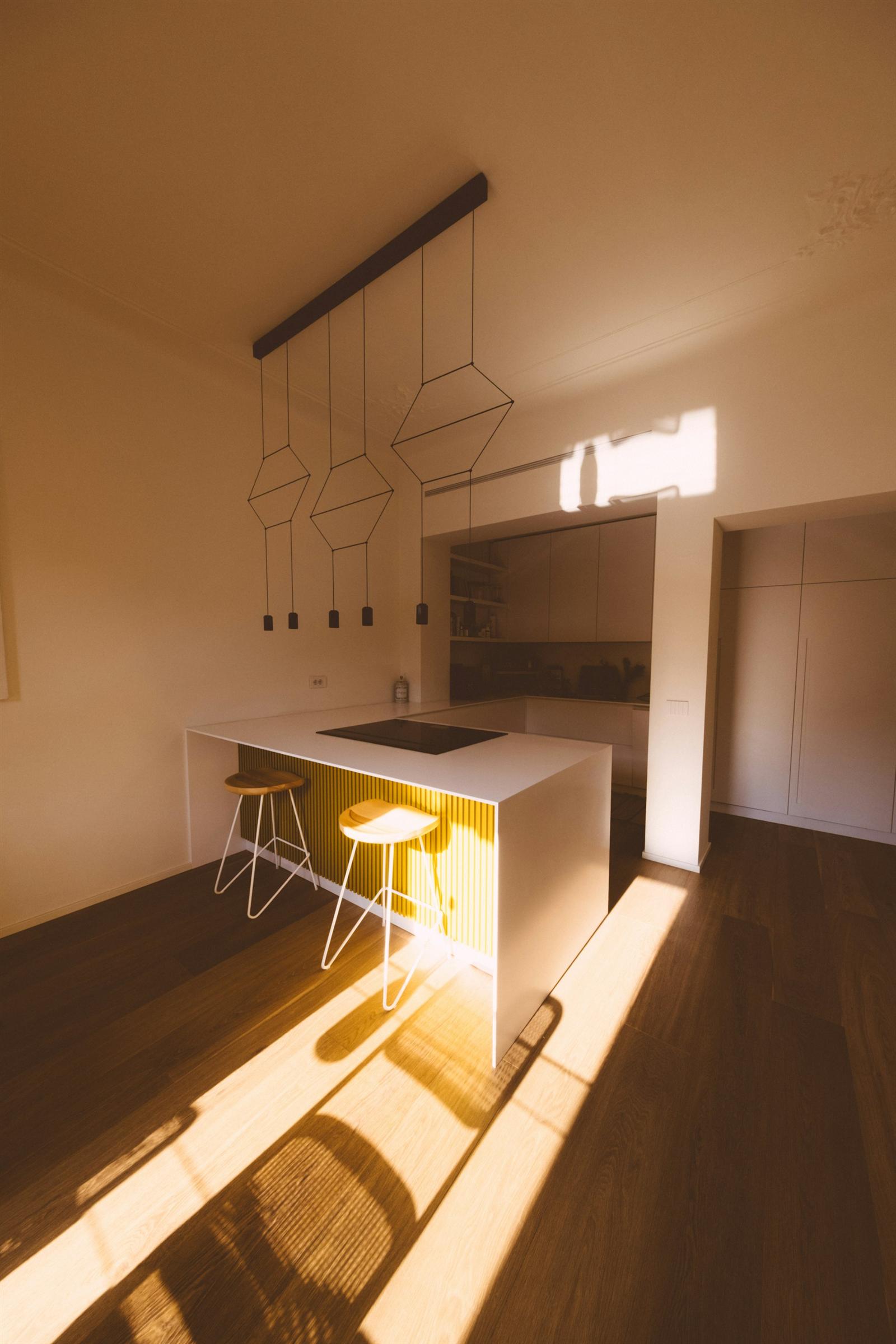
Countertops are the single most upgraded feature in a kitchen renovation — 91% of renovating homeowners prioritize a countertop upgrade above almost everything else (Houzz 2025 U.S. Kitchen Trends Study). With that much riding on one decision, here's a clear look at ten materials worth considering, what each one is actually good at, and where each one falls short.
1. Quartz (engineered stone)
Quartz is engineered, not quarried — and that manufacturing process is exactly why it tested best overall. Consumer Reports rated quartz highest of 14 countertop materials tested, scoring 5/5 on heat resistance (surviving a 400°F oil-filled pot test) and 4/5 on stain resistance across 20 substances, with impact resistance its only weak point (Consumer Reports, 2025).
Quartz suits homeowners who want a consistent, low-maintenance surface and don't need outdoor durability — it isn't warrantied for direct sun exposure. One safety note worth understanding: engineered stone is roughly 90–95% crystalline silica, and cutting or grinding it during fabrication has caused documented lung disease in fabrication workers, which is why OSHA caps fabrication-shop silica exposure closely (CDC/NIOSH). That risk sits at the cutting stage, not in your finished kitchen.
2. Granite
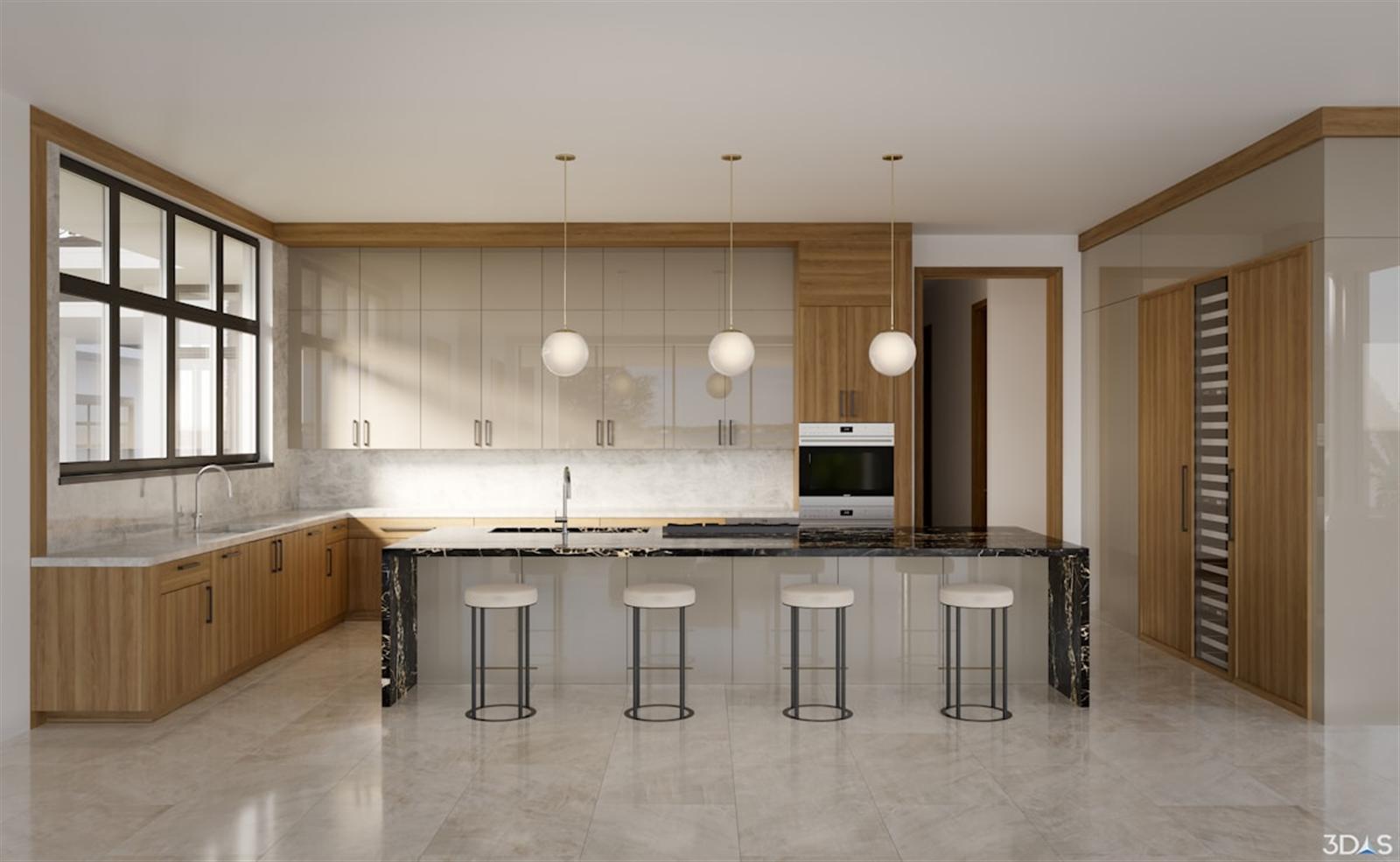
Granite remains a dependable natural-stone choice, though its share of new projects has narrowed as quartz and quartzite gain ground (NKBA 2026 Kitchen Trends Report). It handles heat exceptionally well and resists scratches, but as a porous natural stone it needs periodic resealing — typically every one to three years — to keep stains at bay.
Granite suits homeowners who want genuine natural-stone variation and don't mind a light maintenance routine. No two granite slabs look alike, which is either its biggest draw or its biggest limitation, depending on whether you want that unpredictability.
3. Marble
Marble is the classic choice for a reason, but it demands real upkeep. It needs resealing every 6–12 months in daily kitchen use, and denser marbles can stretch that to two or three years (Dynamic Stone Tools, 2025). Importantly, etching — the dulling caused by acidic foods like lemon or wine — is a separate problem from staining, and sealing doesn't prevent it.
Marble suits homeowners who love its look enough to accept the maintenance, and who are comfortable with visible wear becoming part of its character over time rather than a defect to avoid.
4. Quartzite
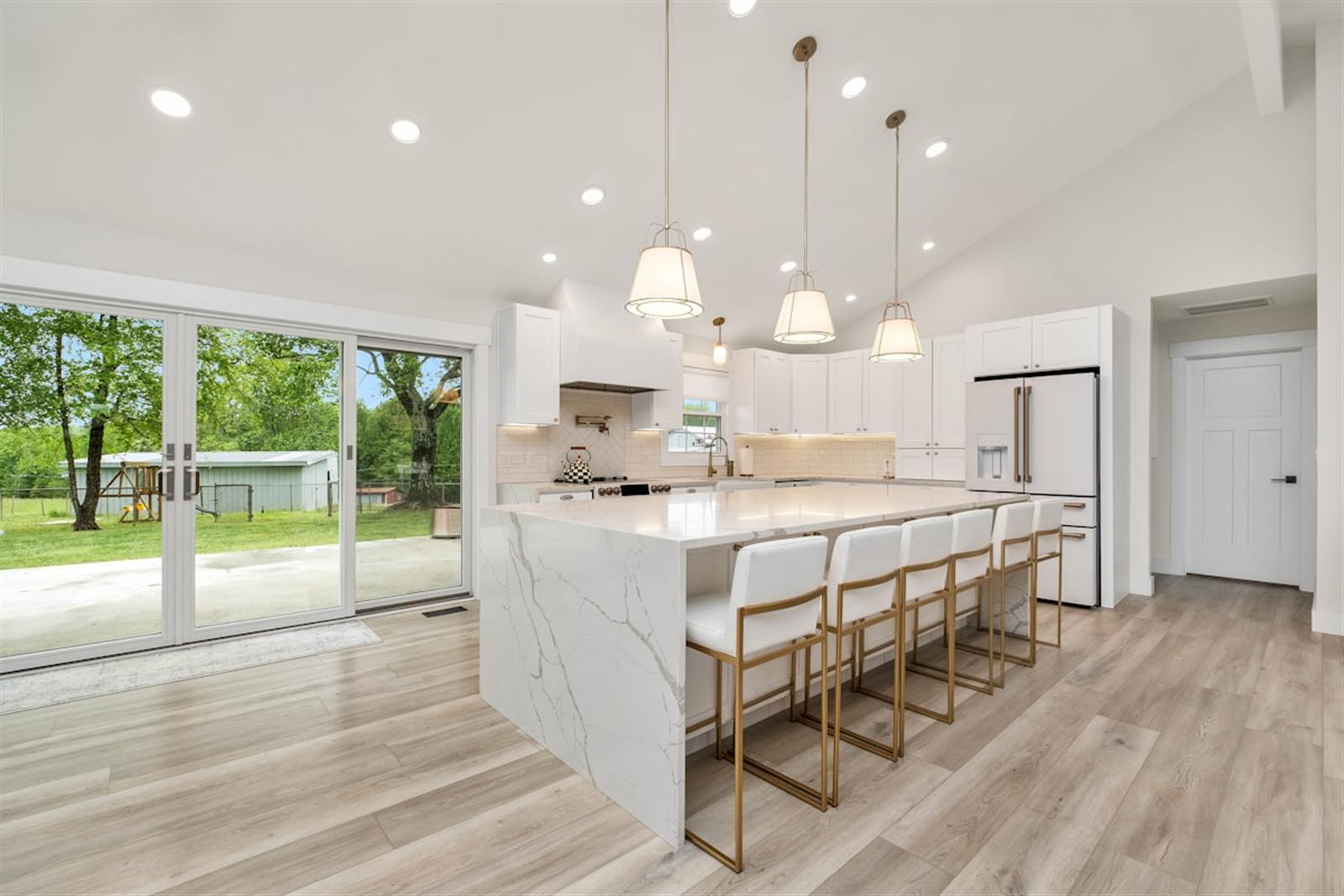
Quartzite has become the material designers reach for most — 62% favor it for countertops and 61% for full-height backsplashes, more than any other material in the 2026 NKBA report. It scores around 7 on the Mohs hardness scale and is less porous than granite, so it needs less frequent resealing (MSI Surfaces, 2025).
Quartzite suits homeowners who want the look of marble with meaningfully better durability. It's a natural stone, so quality and porosity vary by slab — inspect the specific piece you're buying rather than assuming all quartzite behaves identically.
5. Soapstone
Soapstone is naturally non-porous and withstands extreme heat — up to roughly 2,966°F — without needing a chemical sealant for stain resistance (Prudent Reviews, 2025). It develops a darkening patina with age and regular oiling, which many homeowners consider a feature rather than a flaw.
Soapstone suits homeowners drawn to a muted, matte look who don't mind that it's a softer stone — it dents and scratches more easily than granite or quartzite, though those marks tend to blend into its evolving patina rather than standing out.
6. Butcher block (wood)
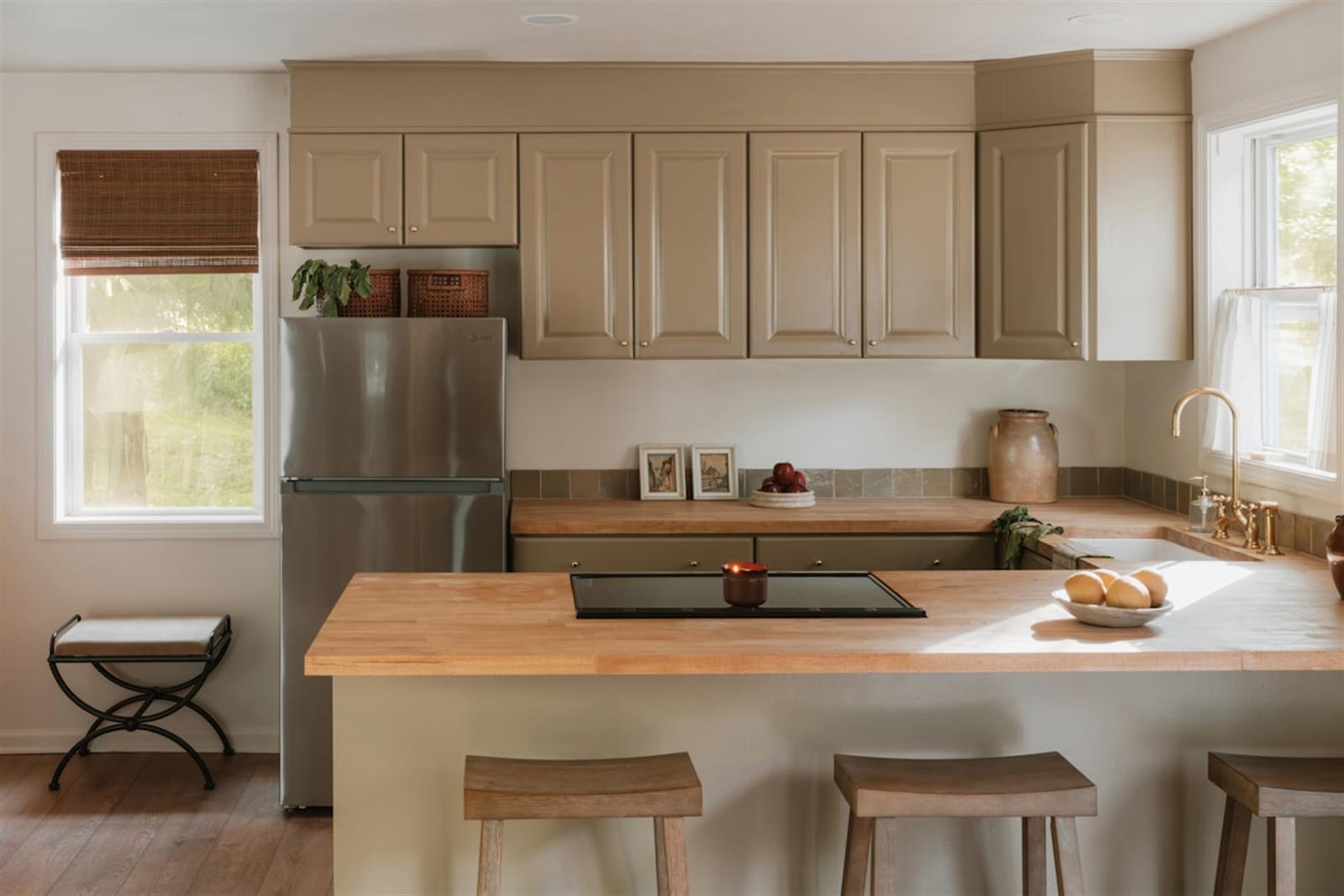
Butcher block brings warmth no stone or engineered surface can replicate. With proper sealing and roughly monthly oiling, it typically lasts around 20 years (Standard Companies, 2025). It's softer than stone, so it scratches and can scorch more easily near a range.
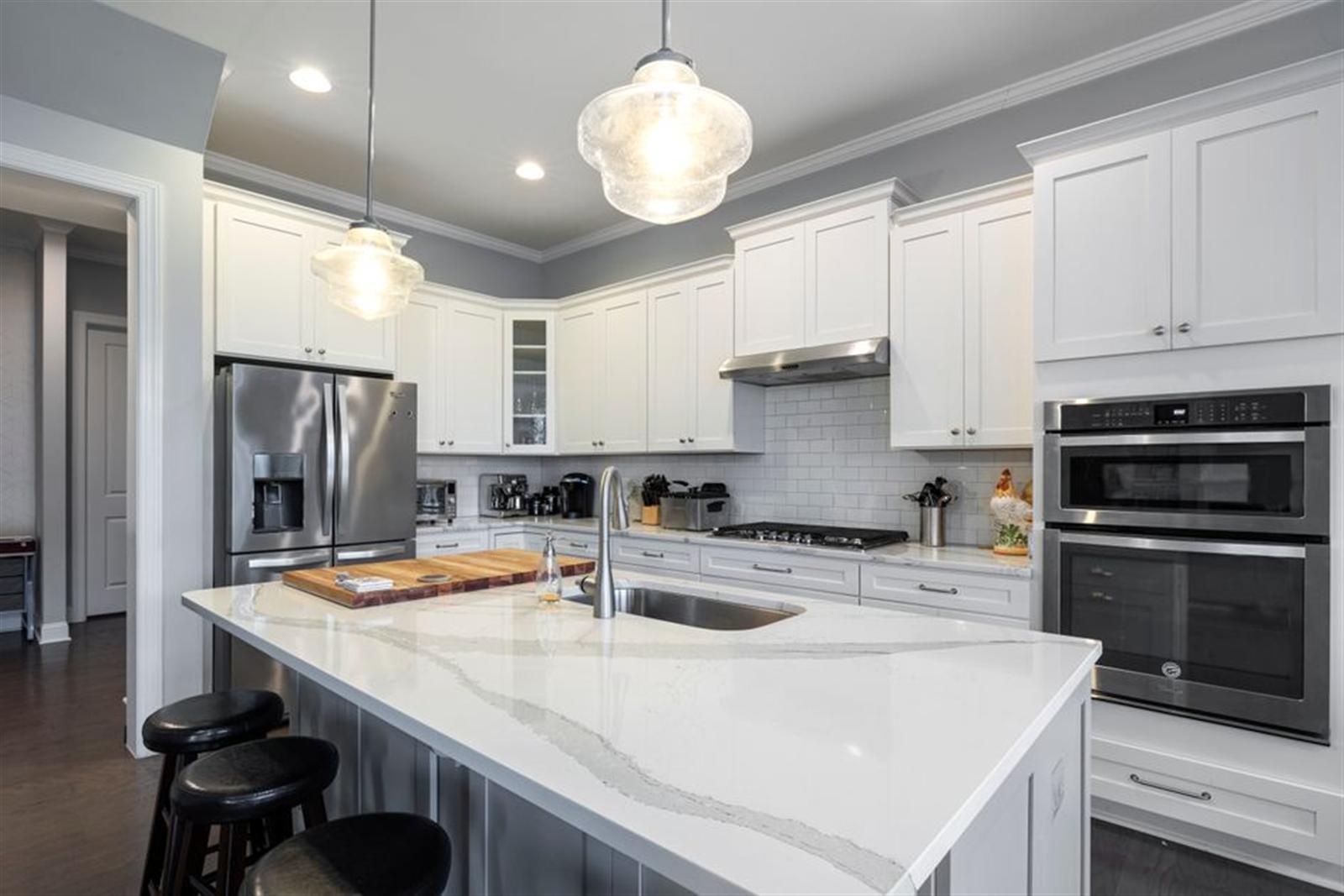
Butcher block suits homeowners who want a warm visual contrast against stone or quartz elsewhere in the kitchen — often used as an island accent rather than the full counter run — and who are willing to keep up with regular oiling.
7. Stainless steel
Stainless steel is non-porous, resists bacteria and mold, and can last decades in daily use (Bob Vila, 2025). Its trade-offs are cosmetic and acoustic: scratches and dents show clearly over time, and it's noticeably louder to work on than stone.
Stainless steel suits homeowners who prioritize hygiene and industrial-kitchen durability over a soft, quiet countertop — it's a strong fit for a dedicated prep zone even if it isn't the material for the whole kitchen.
8. Concrete
Concrete has closed much of the durability gap with stone. With modern sealers and pigment treatments, a well-installed concrete countertop can last 20–30 years — but it remains porous and can crack if it isn't sealed properly (Countertops Contractors, 2025).
Concrete suits homeowners who want a fully custom, made-to-order surface — it can be cast to any shape or color — and who are working with a fabricator experienced specifically in concrete, since installation quality matters more here than with most other materials.
9. Laminate
Laminate is seeing a real resurgence, particularly among younger, budget-conscious renovators (Hall Bros Lumber, 2026). It's non-porous, needs no sealing, and typically lasts 10–20 years under normal wear — a real jump from the material's dated reputation.
Laminate suits homeowners who want a low-maintenance, budget-friendly surface without sacrificing color and pattern options — modern laminate designs have moved well past the look most people still associate with the material.
10. Porcelain and sintered stone (Dekton, Neolith)
Sintered stone is fully UV-stable thanks to its all-mineral composition, making it one of the only materials on this list genuinely viable for an outdoor kitchen without fading (Houzz 2026 Surfaces Trends). Large-format porcelain slabs were identified as the single biggest surfaces trend heading into 2026.
Porcelain and sintered stone suit homeowners who want maximum durability and UV resistance, whether for an all-weather outdoor kitchen or an indoor space that gets heavy direct sun through large windows.
Countertop materials at a glance
| Material | Heat Resistance | Stain Resistance | Scratch Resistance | Maintenance | Relative Cost Tier |
|---|---|---|---|---|---|
| Quartz | Very high | Very high | High | Low — no sealing | Mid-to-upper |
| Granite | High | Medium-high | High | Medium — periodic resealing | Mid |
| Marble | Medium | Low-medium | Medium | High — frequent resealing | Upper |
| Quartzite | High-very high | Medium-high | Very high | Medium — annual sealing | Upper |
| Soapstone | Very high | High | Low | Medium — periodic oiling | Mid-to-upper |
| Butcher block | Low | Low-medium | Low-medium | High — monthly oiling | Lower-to-mid |
| Stainless steel | Very high | Very high | Medium | Low | Upper |
| Concrete | High | Medium | Medium | Medium-high | Mid-to-upper |
| Laminate | Low-medium | High | Low | Low | Lower |
| Porcelain/sintered stone | Very high | Very high | Very high | Low | Upper |
Source: Consumer Reports, MSI Surfaces, NKBA, Houzz, industry material guides, 2025/2026.
How to choose
Start with how you actually cook, not with what photographs best. If you want the lowest-maintenance option with strong across-the-board performance, quartz and porcelain/sintered stone lead. If natural stone variation matters more to you than convenience, quartzite offers the best durability-to-look ratio, with granite and marble as more classic alternatives. If you're pairing materials — a butcher-block island accent against a quartz perimeter, for instance — durability differences matter less since each surface does a specific job.
Whatever you choose, your countertop depth and overhang should be settled early, since some materials — concrete and stone slabs especially — are harder to modify once fabricated. If you're still early in planning, our kitchen remodel checklist covers where material selection fits into the overall renovation sequence.
Frequently asked questions
What is the most durable kitchen countertop material?
Quartz rated highest overall of 14 materials tested by Consumer Reports, scoring 5/5 on heat resistance and 4/5 on stain resistance. Porcelain and sintered stone (Dekton, Neolith) perform similarly well and add UV stability quartz doesn't have.
What countertop material is trending most in 2026?
Quartzite, favored by 62% of design professionals for countertops in the NKBA 2026 Kitchen Trends Report — more than any other material. Large-format porcelain slabs were separately identified as the top overall surfaces trend for 2026.
Is quartz safe to have in my kitchen?
Yes. The documented silica-dust health risk applies to cutting and fabricating engineered stone, not to an installed, finished countertop in your home. Ask your fabricator about wet-cutting and dust-control practices if you want extra peace of mind.
Which countertop material needs the least maintenance?
Laminate and quartz are both non-porous and need no sealing. Quartz adds significantly better durability, while laminate offers the lowest relative cost of any material on this list.
Can I mix countertop materials in one kitchen?
Yes, and it's increasingly common — a butcher-block island against a quartz or stone perimeter is a popular combination that lets each surface do a specific job, prep versus display, without compromising on either.
The bottom line
No single countertop material wins across every category — quartz and porcelain lead on durability and low maintenance, quartzite offers the best balance of natural-stone character and toughness, and materials like marble, soapstone, and butcher block trade some durability for a look or feel nothing engineered can fully replicate. Choose based on how your kitchen actually gets used, not just how a slab looks in a showroom.
Book a design consultation and we'll help you compare materials in person before you commit.
Sources
- Houzz, 2025 U.S. Kitchen Trends Study (via Woodworking Network), retrieved 2026-08-04, link
- NKBA/KBIS, 2026 Kitchen Trends Report, retrieved 2026-08-04, link
- Consumer Reports, Quartz vs. Granite Kitchen Countertop: Which Material Is Better?, retrieved 2026-08-04, link
- MSI Surfaces, Comparing Quartzite and Granite Countertops, retrieved 2026-08-04, link
- Dynamic Stone Tools, Marble Countertop Care: Etching, Staining, Maintenance, retrieved 2026-08-04, link
- Prudent Reviews, Soapstone Countertops: Pros and Cons, retrieved 2026-08-04, link
- Standard Companies, Are Butcher Block Countertops Durable?, retrieved 2026-08-04, link
- Bob Vila, Stainless Steel Countertops, retrieved 2026-08-04, link
- Countertops Contractors, Concrete and Cement Countertops: A Trend That's Transforming the Kitchen, retrieved 2026-08-04, link
- Hall Bros Lumber, Kitchen Trends 2026: The Return of Laminate Countertops, retrieved 2026-08-04, link
- Houzz, 5 Trends in Countertops and Other Surfaces Shaping 2026, retrieved 2026-08-04, link
- CDC/NIOSH, Silica Hazards from Engineered Stone Countertops, retrieved 2026-08-04, link