
Planning Guides
Kitchen Remodel Checklist: Your Full Planning Guide (2026)
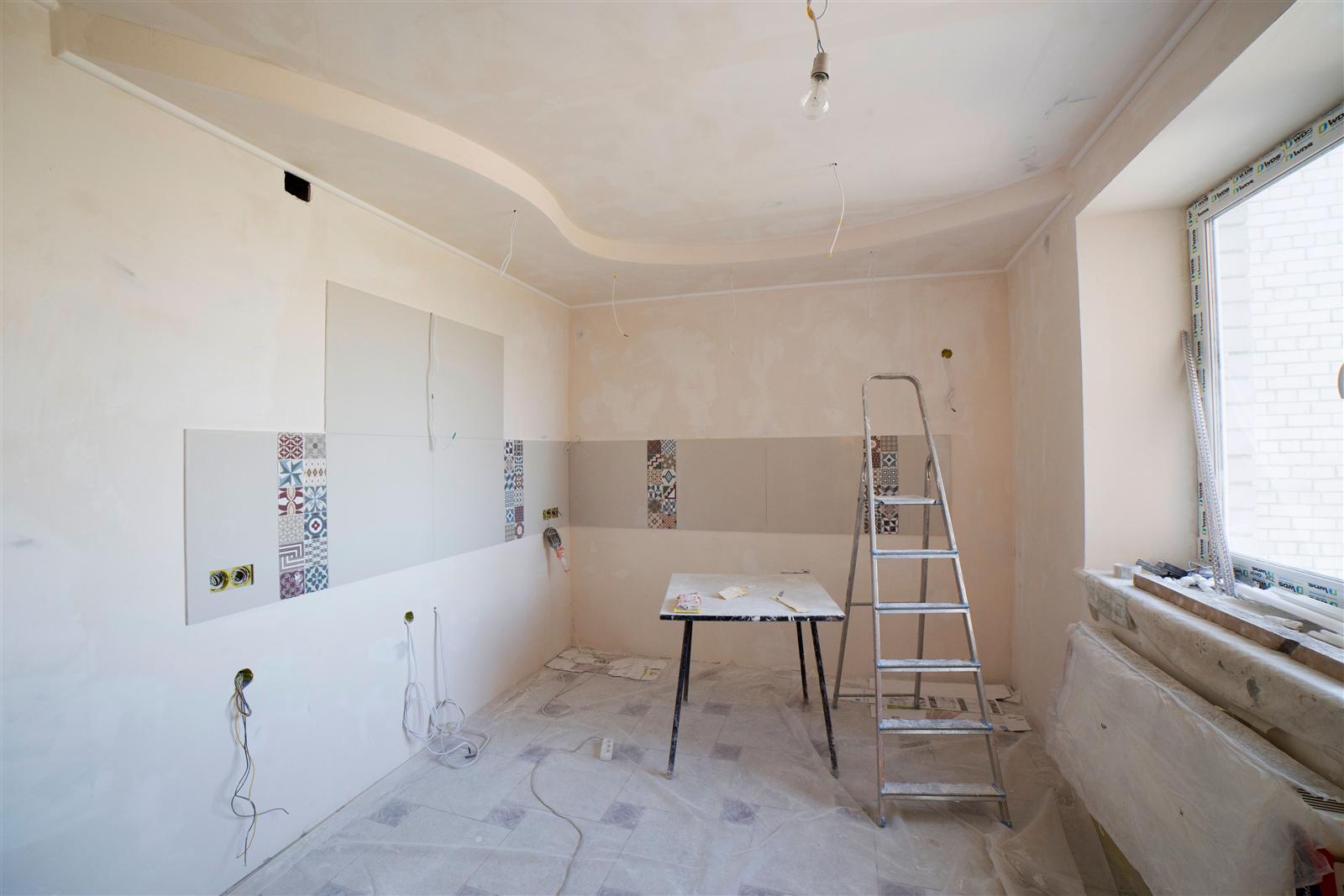
A full kitchen remodel touches more decisions than most homeowners expect — 87% of renovating homeowners hire at least one professional, and nearly half bring on a general contractor to manage the process (2026 Houzz Kitchen Trends Study). This checklist walks through the full sequence, from planning to punch list, so nothing catches you off guard.
Before you start: the planning phase
Every successful remodel starts with decisions made before a single wall comes down. Homeowners renovate for real reasons — 41% are unhappy with their kitchen's current style, and 38% cite deterioration or dysfunction as their top motivator (Houzz 2026 Kitchen Trends Study). Naming yours early keeps the whole project focused.
Use this stage to lock in your layout, materials, and budget. If you haven't already, decide whether you're doing a full renovation or a more targeted remodel, confirm your kitchen's actual dimensions, and get a realistic sense of what the project will cost before you fall in love with a design you can't fit or afford.
What requires a permit?
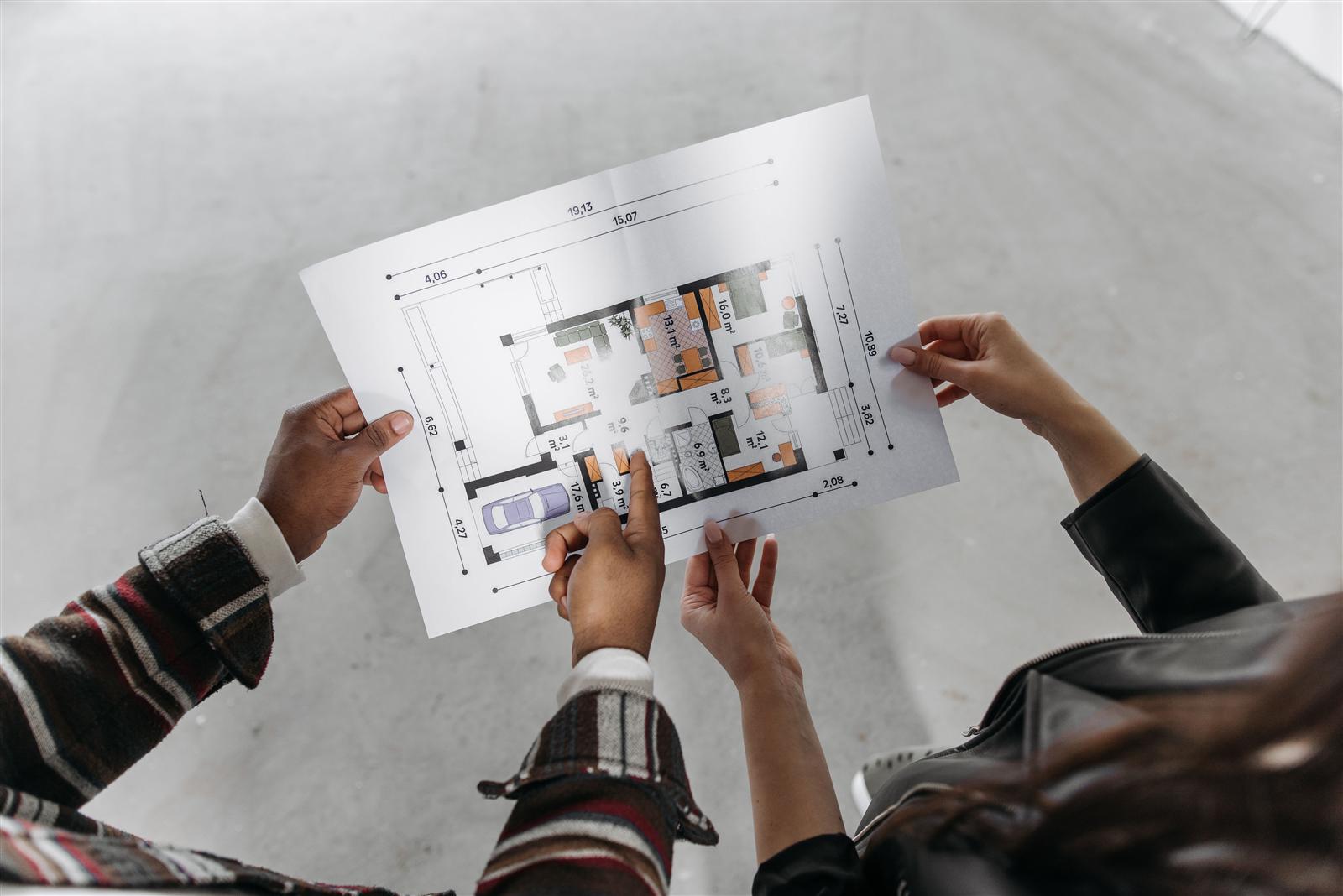
Not every change needs sign-off from your local building department, but the ones that do can stall a project if you skip them. Structural changes — moving or removing a wall — along with new electrical circuits and relocated plumbing typically require a permit; swapping an appliance, countertop, or backsplash in the same location generally doesn't. Requirements vary by municipality, so confirm with your local building department before finalizing a design that depends on structural changes.
Our finding: the projects that stall mid-construction are almost never the ones with a complicated design — they're the ones where a permit got pulled too late. Building the permit timeline into your schedule from day one avoids the single most common cause of delay we see.
Order materials and cabinets early
Custom and semi-custom cabinetry, in particular, needs lead time — ordering early is one of the simplest ways to keep a project on schedule. If you haven't decided on stock, semi-custom, or custom cabinets yet, that decision affects how far in advance you need to order, since custom work takes meaningfully longer to produce than stock sizing.
The same logic applies to your cabinet dimensions, door style, and any specialty features like a kitchen island — these are decisions worth finalizing during planning, not during construction, since changing them later usually means reordering.
The renovation sequence
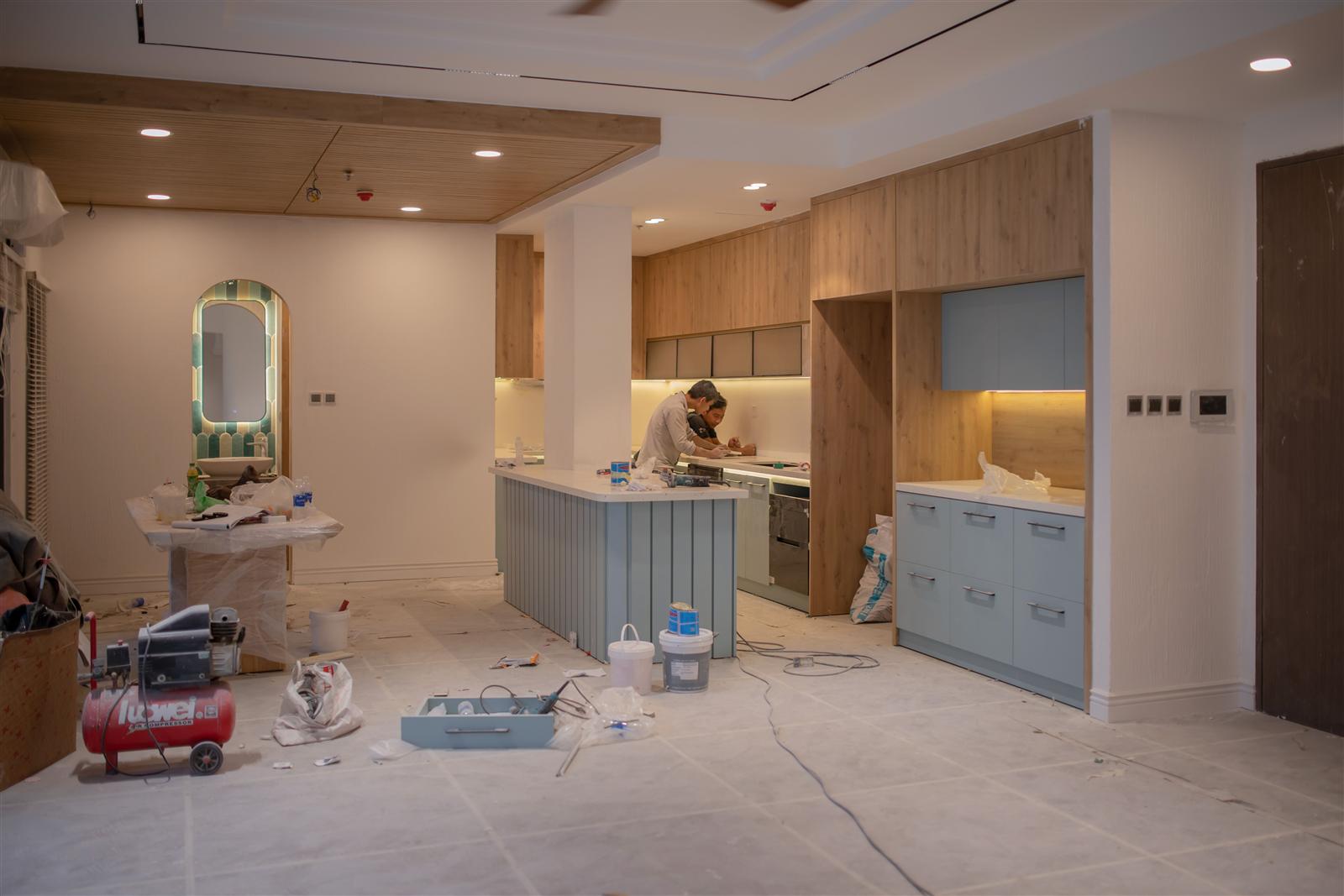
Kitchen remodels follow a dependency chain — each phase has to finish before the next can safely start. Rough-in work (plumbing, electrical) has to happen before walls close up; cabinets have to be set before the countertop can be templated; and the countertop has to be installed before the backsplash goes on. Skipping ahead in this sequence is one of the fastest ways to create rework.
| Phase | What Happens | Who's Involved |
|---|---|---|
| Planning & Design | Layout finalized, materials selected, budget set | Homeowner, designer |
| Permitting | Application reviewed for structural/electrical/plumbing scope | Homeowner/GC, building department |
| Material Ordering | Cabinets, countertops, appliances ordered — often the longest lead time in the project | GC, cabinet supplier, appliance vendor |
| Demolition | Old cabinets, countertops, and flooring removed | Demo crew/GC |
| Rough-In | Plumbing, electrical, and HVAC relocated behind the walls | Licensed electrician, plumber |
| Inspection & Drywall | Rough-in inspected and approved before walls close | Inspector, GC |
| Cabinet Installation | Upper cabinets set first, then base cabinets | Cabinet installer |
| Countertop Template & Fabrication | Measured on-site, then fabricated off-site | Countertop fabricator |
| Backsplash, Appliances, Fixtures | Tile set, appliances connected, fixtures installed | Tile installer, electrician/plumber |
| Punch List | Final touch-ups and homeowner walkthrough | GC, homeowner |
Source: General industry project-sequencing practice; exact durations vary by project scope and region.
Living without a kitchen during construction
Plan your temporary setup before demolition starts, not the week of. A folding table with a microwave, electric kettle, and mini-fridge in another room covers most of what a household needs during the construction phase, and it's far easier to set up in advance than to improvise once the kitchen is unusable.
If you're renovating with accessibility in mind, your temporary setup should account for the same needs your finished kitchen will — our accessible kitchen design guide is worth reviewing during planning, not after construction is underway.
Avoiding scope creep and delays
The remodeling market remains steady rather than red-hot: the NAHB Remodeling Market Index held at 61 in Q2 2026, with the backlog component easing to 54 — a sign that contractor pipelines are stable, not stretched thin (NAHB, July 2026). That's good news for scheduling, but it doesn't protect against scope creep once a project starts.
Selections made mid-construction — a countertop swap, an added appliance, a layout tweak — are the most common source of both timeline and budget overruns. Locking in your material and layout decisions during planning, before ordering, is the single best defense against a project that grows past its original scope.
Quick reference checklist
Use this as your at-a-glance planning sequence:
- Define your motivation and priorities for the remodel
- Confirm your kitchen's actual dimensions and layout constraints
- Decide: renovation or full remodel
- Set a realistic budget with a buffer for the unexpected
- Choose cabinet tier (stock, semi-custom, or custom) and order early
- Finalize door style, countertop material, and backsplash together
- Confirm what does and doesn't require a permit with your local building department
- Order long-lead-time materials before demolition starts
- Set up a temporary kitchen space before you lose access to the real one
- Walk the sequence with your contractor so you know what happens, and when
- Reserve time for a final walkthrough and punch list before calling it done
Frequently asked questions
Do I need a permit for a kitchen remodel?
It depends on the scope. Structural changes, new electrical circuits, and relocated plumbing typically require a permit, while same-location swaps of appliances, countertops, or backsplash usually don't. Confirm specifics with your local building department before finalizing your design.
How far in advance should I order cabinets?
As early as possible, and especially if you're choosing custom or semi-custom cabinetry, since production takes meaningfully longer than stock sizing. Ordering early is one of the simplest ways to prevent your project from stalling mid-construction.
What's the correct order of operations for a kitchen remodel?
Demolition, then rough-in (plumbing and electrical), inspection, drywall, cabinet installation, countertop template and fabrication, backsplash, appliances and fixtures, and finally a punch list. Each phase depends on the one before it.
How do most homeowners handle cooking during a remodel?
A simple temporary setup — a folding table with a microwave, kettle, and mini-fridge in another room — covers most needs during construction. Setting it up before demolition starts, not after, makes the disruption far more manageable.
What causes most kitchen remodel delays?
Permits pulled too late and decisions made mid-construction are the two most common causes. Locking in your material and layout choices during planning, before ordering, is the best way to avoid both.
The bottom line
A kitchen remodel goes smoothly when the sequence is respected: plan and budget first, confirm permits early, order materials with enough lead time, and let each construction phase finish before the next starts. Use this checklist as your starting point, then dig into our detailed guides on cabinet sizing, countertop dimensions, and kitchen islands as you get to those decisions.
Book a design consultation and we'll walk you through the full process, start to finish.