
Planning Guides
Renovating a Kitchen with Resale in Mind (2026 Guide)
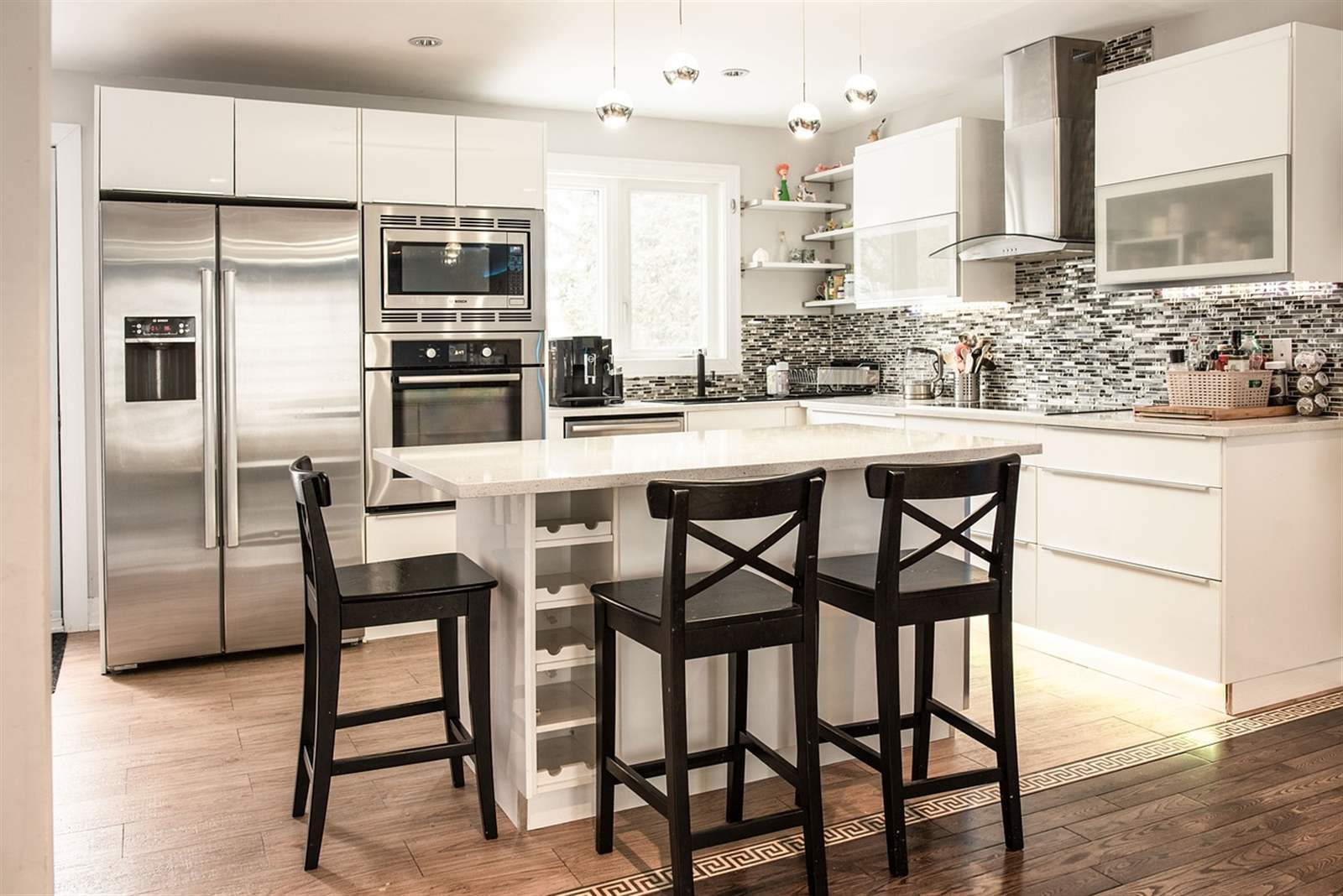
Kitchens carry more weight with buyers than almost any other room, and they're the room most likely to see rising demand from real estate professionals — kitchen upgrades earned a perfect satisfaction score in the latest national remodeling survey (National Association of Realtors, 2025 Remodeling Impact Report). But renovating for resale calls for different choices than renovating purely for yourself. Here's what actually moves the needle.
Refresh vs. full remodel: which recoups more
If resale is the goal, scope matters as much as quality. Minor kitchen updates — refaced cabinets, new hardware, updated counters, a fresh coat of paint — tend to recoup a meaningfully higher share of their cost than a full high-end gut renovation, which is the largest cost-recovery gap of any home renovation category (industry Cost vs. Value data, 2025/2026 cycle). The National Association of Realtors' latest Remodeling Impact Report backs this up from a different angle: kitchen upgrades scored a perfect Joy Score with homeowners, and nearly half of Realtors reported rising buyer demand tied to kitchen projects specifically (NAR, April 2025).
That doesn't mean a full remodel is a bad idea — it means the reasoning should be different depending on your goal. If you're renovating to sell soon, a targeted refresh usually makes more financial sense than a comprehensive overhaul. If you're renovating for years of your own use before eventually selling, the calculation shifts.
Our finding: clients renovating specifically with resale in mind almost always ask us to scope down from their first instinct. The kitchen that photographs best for a listing is rarely the most expensive one — it's the one that reads as clean, current, and move-in ready.
Why one in four renovators are already thinking about resale
You're not alone if resale value is part of your renovation decision. A quarter of homeowners renovating their kitchen cite boosting resale value as a specific motivation, not just personal enjoyment (Houzz 2026 U.S. Kitchen Trends Study). That's worth naming upfront, because it changes which decisions matter — a kitchen designed purely for your own taste optimizes differently than one designed to appeal broadly to buyers who haven't met you yet.
If you haven't already thought through the sequence of a renovation project, our kitchen remodel checklist covers planning and permitting regardless of whether resale is your primary motivation.
Neutral beats bold when buyers are the audience
Color choice is one of the clearest places where personal taste and resale value can pull in different directions. Wood cabinets recently overtook white as the top cabinet choice among renovating homeowners for the first time in recent tracking, with both finishes reading as safely neutral to buyers compared to saturated or highly trend-driven colors (Houzz 2026 Kitchen Trends Study). Buyer-preference research from Zillow reinforces the same pattern from the other direction: in a controlled study of thousands of buyers, bold or unusual kitchen colors measurably reduced buyer enthusiasm compared to neutral palettes (Zillow Research, June 2025).
That doesn't mean your kitchen has to be stark white — warm neutrals and natural wood tones currently read as both current and safe, which is a better resale combination than either a dated all-white kitchen or a highly saturated statement color.
Function beats personalization for buyer appeal
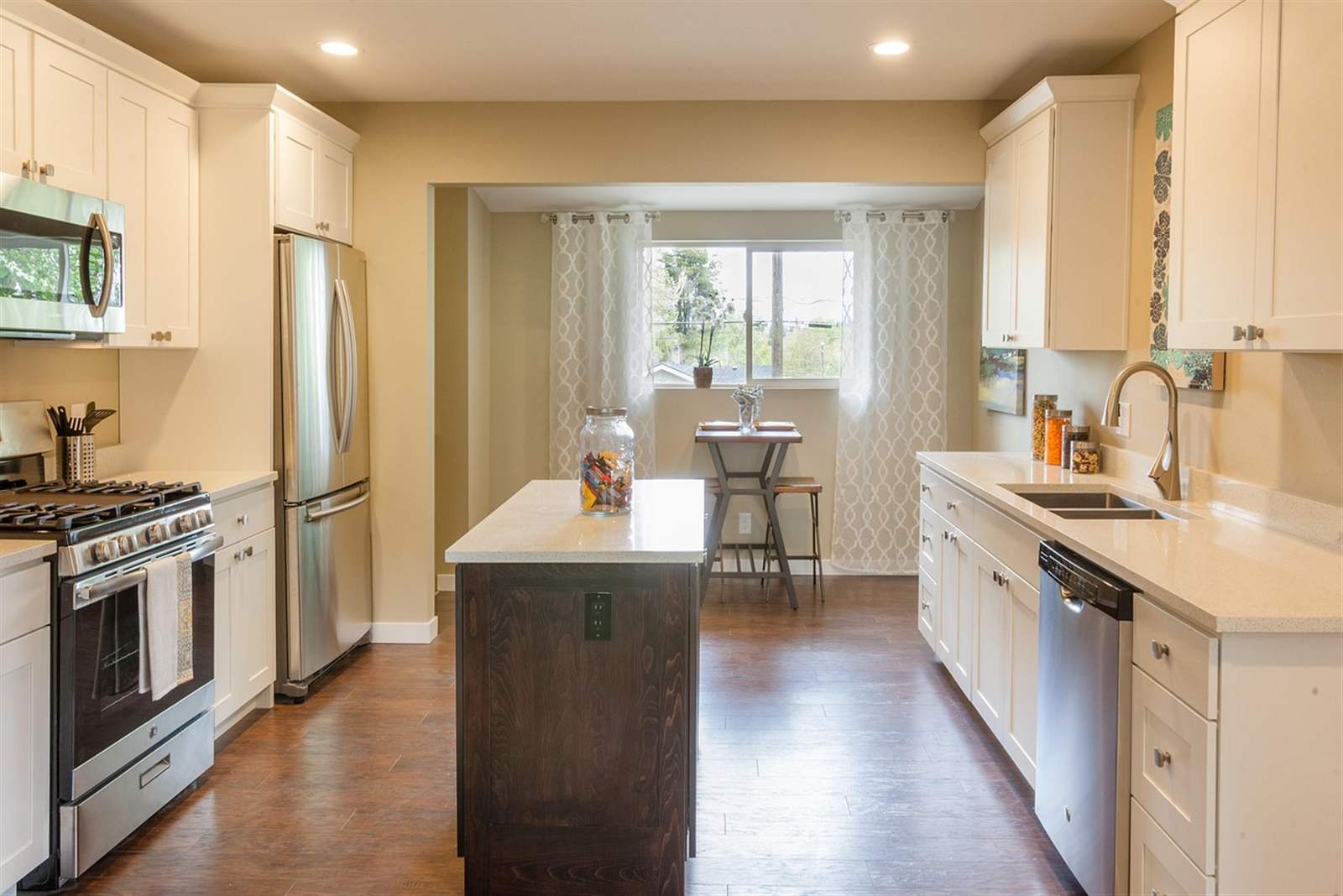
Buyers consistently respond more to functional upgrades than to decorative or highly personalized ones. Practical features like usable island seating and genuine storage capacity carry broad appeal across a wide range of buyers — we've covered the specifics of what makes an island resonate with buyers in our kitchen island benefits guide rather than repeating that data here.
The inverse holds too: highly personalized or novelty features that felt exciting during your own renovation — an unusual specialty station, a high-maintenance statement finish — often read as a negative to a buyer evaluating move-in readiness rather than as a selling point. If a feature only appeals to your specific taste, it's worth asking whether it belongs in a resale-focused renovation at all.
The risk of over-improving for your neighborhood
A kitchen renovation that outpaces the rest of your neighborhood doesn't automatically translate into a higher sale price. Appraised value is anchored to comparable homes nearby, not to how much you invested — a widely recognized principle in appraisal practice known as over-improvement risk. If every other home on your street has a modest, functional kitchen, an ultra-high-end renovation may not be recouped dollar-for-dollar at resale, even if it's genuinely beautiful.
This is one of the clearest arguments for the "targeted refresh over full remodel" logic covered earlier: matching your renovation scope to your neighborhood's overall price range protects your investment better than maximizing the kitchen in isolation.
Kitchen condition affects more than the kitchen itself
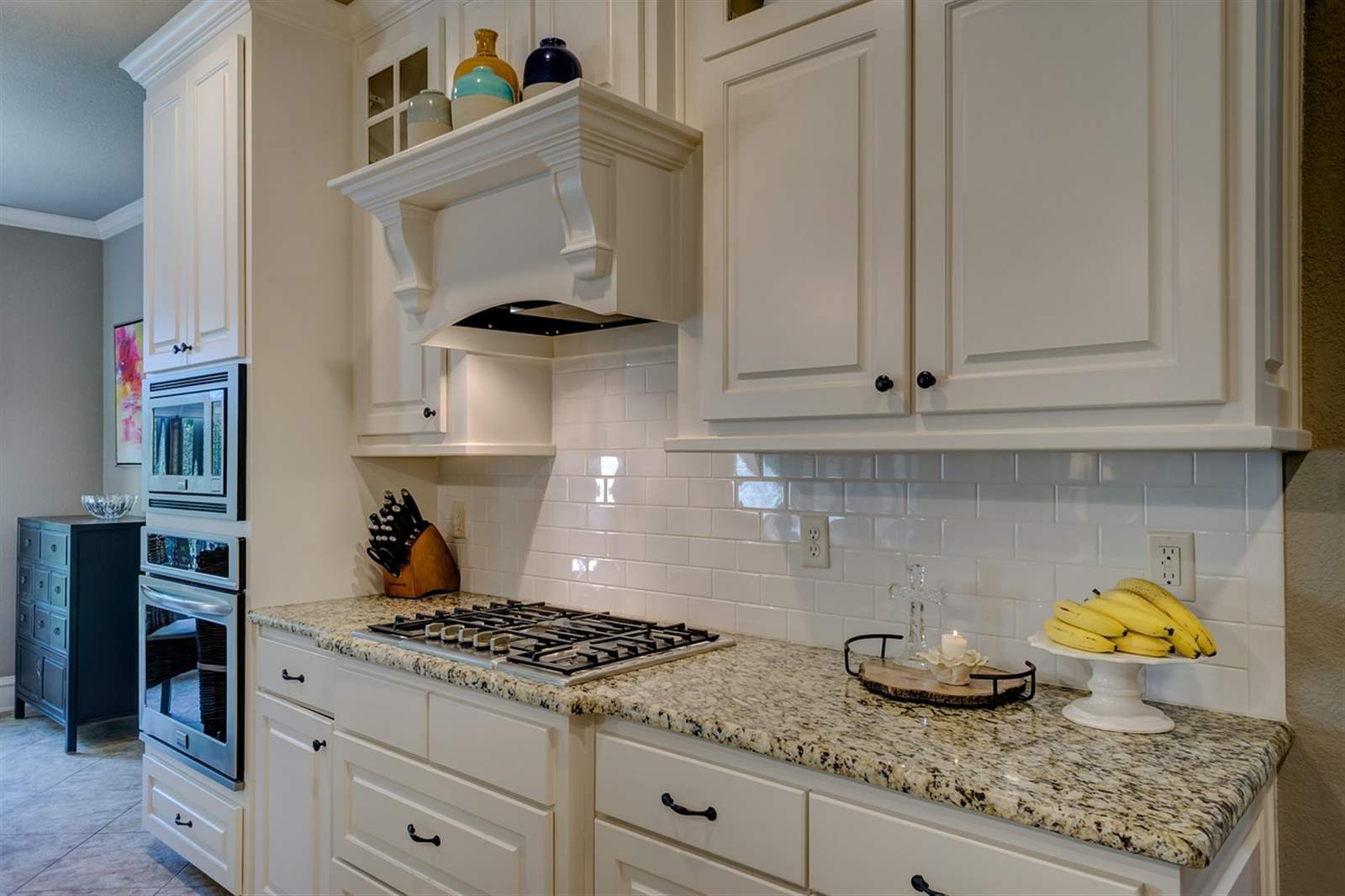
A visibly dated kitchen doesn't just cost you buyer interest in that one room — it shifts negotiating leverage across the whole sale, since buyers use an outdated kitchen as a reason to discount their offer or ask for concessions. A kitchen that reads as current and well-maintained removes that negotiating point entirely, which matters even if the rest of the home is in excellent condition.
Renovation choices and resale impact at a glance
| Renovation Choice | Resale Impact | Reasoning |
|---|---|---|
| Minor refresh (cabinets, hardware, counters, paint) | Recoups a higher share of cost than a full gut renovation | Lower spend, broad appeal, faster turnaround |
| Full high-end gut renovation | Recoups less, especially beyond neighborhood norms | Appraisals anchor to comparable homes nearby |
| Neutral/warm-wood cabinet tones | Broadest buyer appeal | Reads as current without being polarizing |
| Stark white or highly saturated colors | Narrower appeal | Can read as either dated or overly personal |
| Functional upgrades (island seating, real storage) | High buyer draw across price points | Practical value resonates broadly |
| Ultra-personalized or novelty features | Can work against you | Reads as a "someone else's taste" liability |
Source: NAR 2025 Remodeling Impact Report, Houzz 2026 Kitchen Trends Study, Zillow Research, general appraisal industry practice.
Frequently asked questions
Does a kitchen remodel actually increase home value?
Kitchen remodels tend to recoup more of their cost than most other renovation categories, and kitchen upgrades score highly with both homeowners and real estate professionals for buyer appeal (NAR 2025 Remodeling Impact Report).
Should I do a full kitchen remodel or a smaller refresh before selling?
For resale specifically, a targeted refresh — updated cabinets, hardware, counters, and paint — tends to recoup a meaningfully higher share of its cost than a full high-end remodel, especially if your neighborhood's other homes have more modest kitchens.
What kitchen colors appeal most to buyers?
Neutral and warm-wood tones currently have the broadest buyer appeal. Wood cabinets recently overtook white as the top choice among renovating homeowners, while bold or highly saturated colors measurably narrow buyer enthusiasm in preference research.
Can I over-improve my kitchen for resale?
Yes. Appraised value is anchored to comparable homes in your neighborhood, not your renovation spend — a kitchen renovated well beyond neighborhood norms often isn't recouped dollar-for-dollar at resale.
Does an outdated kitchen actually hurt a home sale?
Yes, beyond just the kitchen itself. A dated kitchen commonly becomes a negotiating point buyers use to discount their offer or request concessions, even when the rest of the home is in strong condition.
The bottom line
Renovating with resale in mind means optimizing for broad appeal rather than personal preference alone: a targeted refresh usually outperforms a maximalist remodel, neutral and warm-wood tones beat bold statement colors, function beats novelty, and matching your neighborhood's overall price range protects your investment better than going all-in on the kitchen alone.
Book a design consultation and we'll help you plan a kitchen renovation that works for how you live now and for whoever buys it later.