
Design Guides
How to Measure Cabinet Pulls in 3 Easy Ways (2026 Guide)
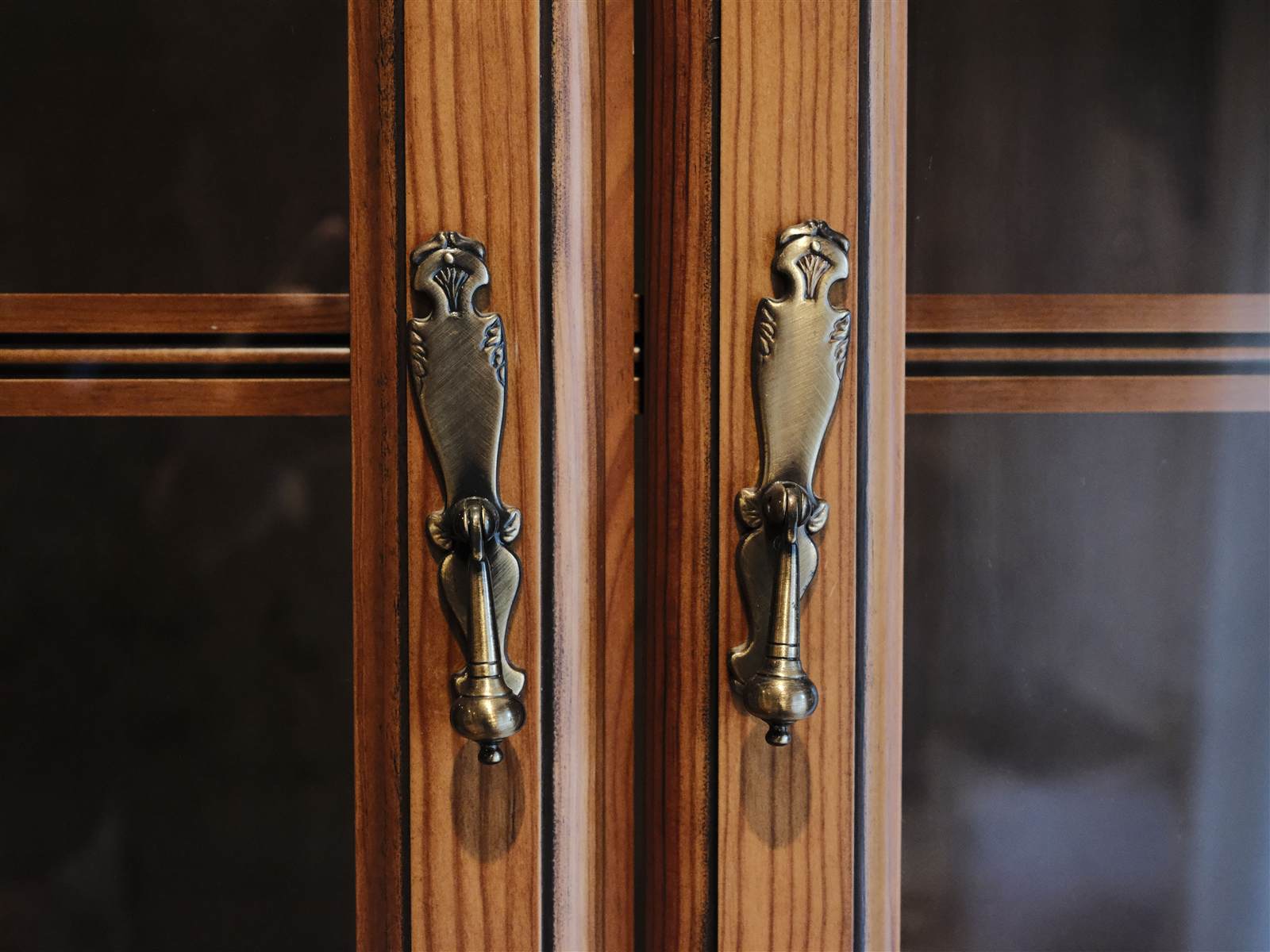
Getting cabinet pull measurements wrong means either redrilling holes or returning hardware that doesn't fit. There are exactly three measurements that matter: center-to-center distance, overall length, and projection (Top Knobs, "Guide to Decorative Hardware Size Selection"). Here's how to take each one correctly, whether you're replacing existing hardware or starting from scratch.
What you'll need before you start
A tape measure or ruler, a pencil, and a notepad are enough for basic measuring. For consistent placement across a full kitchen, a combination square set to your desired edge offset — or a store-bought hardware jig with pre-drilled holes — lets you transfer the same measurement to every cabinet without re-measuring each one from scratch (This Old House, "How to Locate Cabinet Knobs and Pulls").
Method 1: Measure center-to-center distance
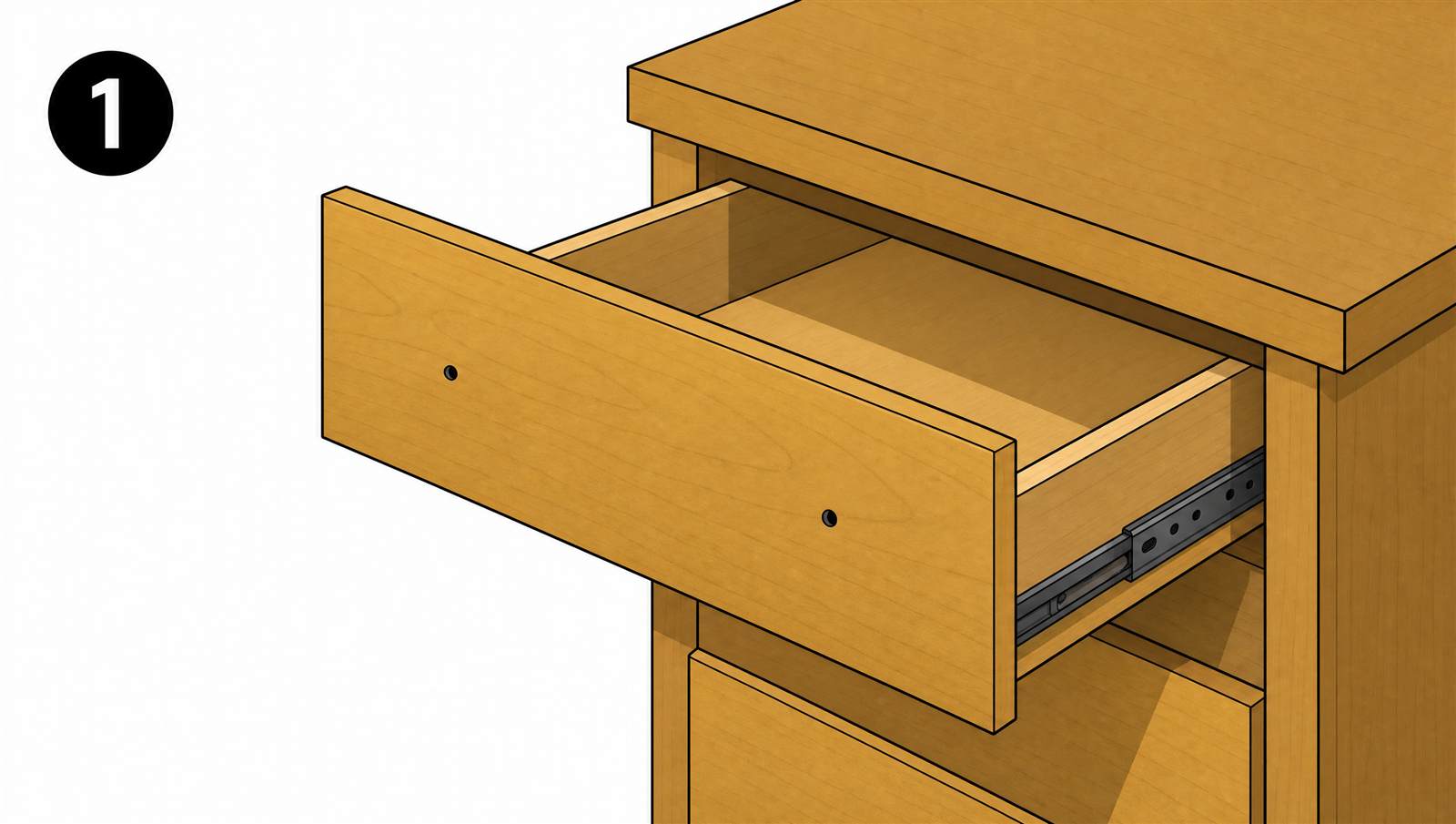
Center-to-center distance (sometimes called "spread") is the distance from the center of one mounting screw hole to the center of the other — it's the industry-standard measurement listed on every hardware product page (Top Knobs). Place your tape measure at the center of one hole and extend it to the center of the other, then record the number in inches.
This is the measurement that matters most if you're replacing existing hardware without redrilling: match your new pull's center-to-center spec to your current holes, and it goes in without any new drilling (D. Lawless Hardware). Old hardware often leaves faint footprints or finish marks on the wood — a useful visual check if the holes themselves are hard to measure precisely.
| Center-to-Center | Typical Use |
|---|---|
| 3" | Small drawers, most common starter size |
| 3.75" | Standard cabinet doors |
| 4" | Mid-size drawers and doors |
| 5" (5-1/16") | Wider drawers |
| 6.25" (6-5/16") | Wide drawers, tall doors |
| 8.75" (8-13/16") | Pantry and appliance panels |
| 10" (10-1/16") | Large drawers, oversized doors |
Source: Berenson Corp, "Cabinet Pull Center to Center Measurement Conversions."
Method 2: Measure overall length
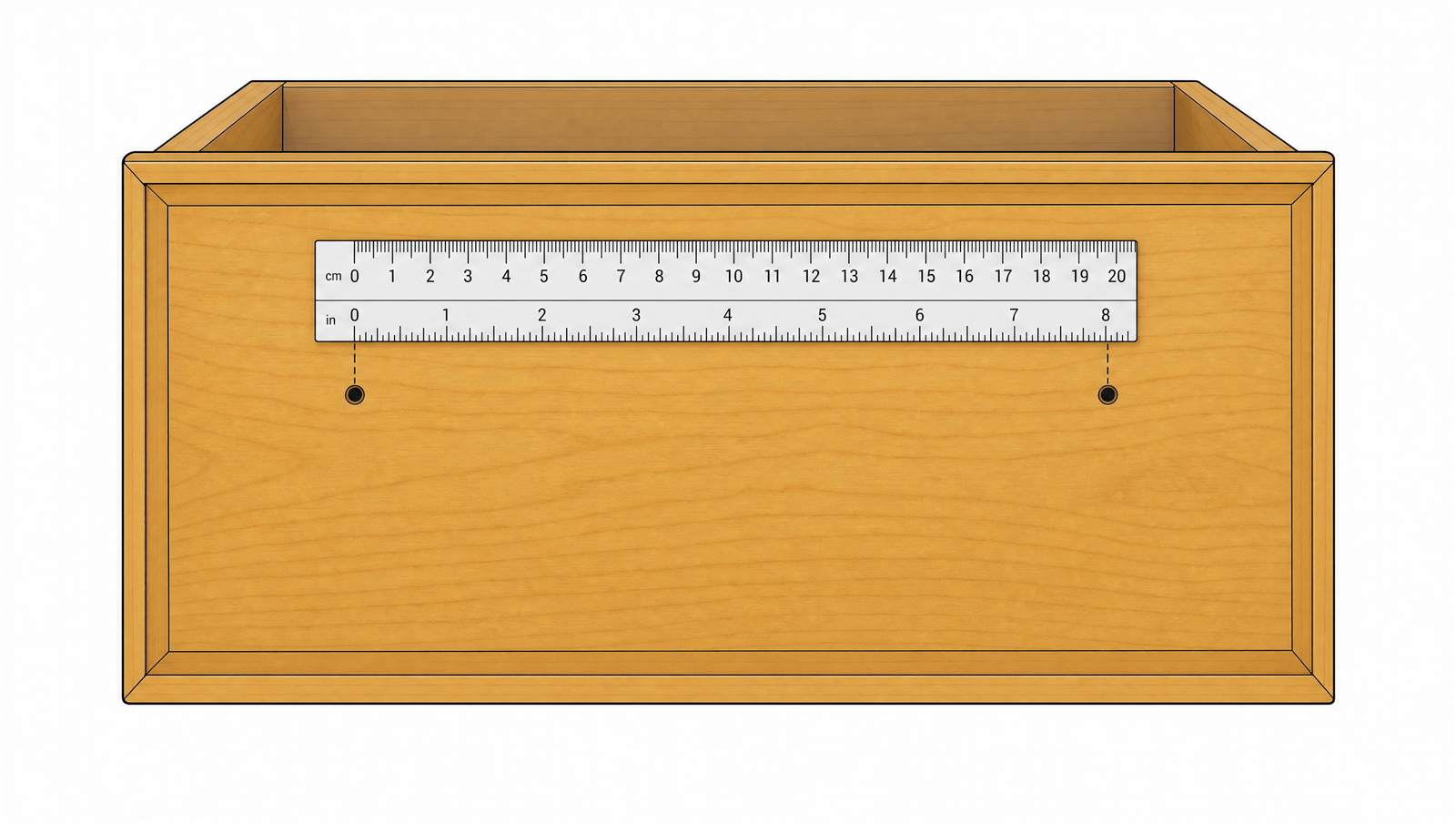
Overall length is the simplest of the three: the full end-to-end measurement of the pull, including any decorative end caps. Lay your tape measure flat against the pull, from one tip to the other, and record the total.
Length should scale with the size of the door or drawer it's going on. Doors under 24" tall generally suit a 3–7" pull; doors between 24" and 36" tall suit 7–12"; anything taller works better with a pull over 12". Drawers under 16" wide typically take a single centered 3–5" pull, drawers 16"–32" wide take either two shorter pulls or one 9–12" pull, and anything wider than 32" needs a pull over 12" to look proportional (Top Knobs).
Our finding: the single most common proportion mistake we see isn't a wrong measurement — it's picking a pull that's technically the right center-to-center spec but visually too short for a wide drawer. Measure the drawer face itself, not just the hole spacing, before you order.
Method 3: Measure projection (depth)
Projection is how far the pull extends outward from the mounted surface. Place the end of your tape measure at the base of the pull, against the surface, and extend it straight out to the furthest point. This measurement matters functionally, not just visually — a pull that projects too far can catch on clothing or bags in a tight kitchen aisle (D. Lawless Hardware).
Measure projection on more than one pull if your kitchen has cabinets of varying depths or styles. Slight variation between cabinets is common, and it's easier to catch a mismatch before ordering than after installation.
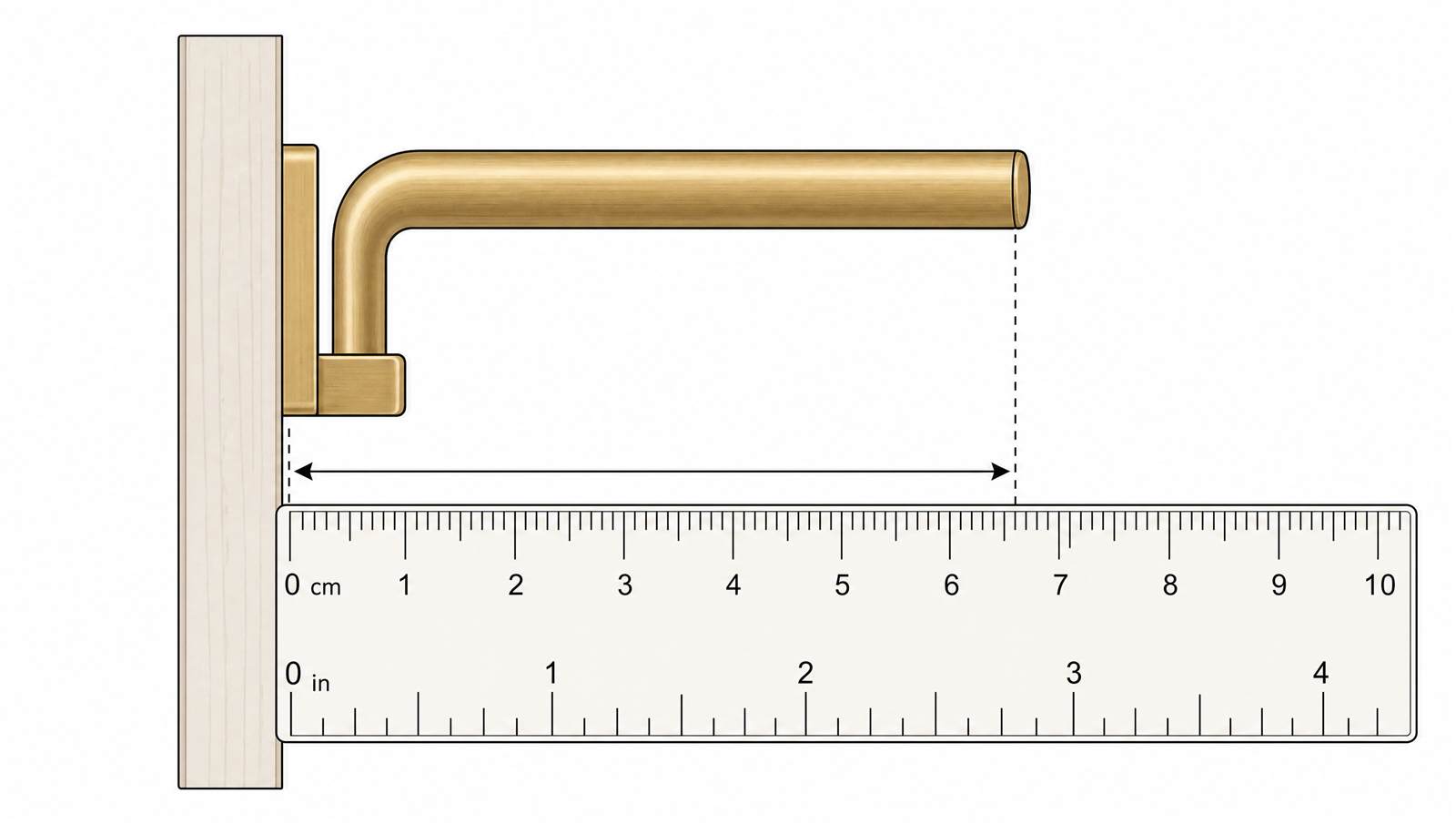
The 3 measurements at a glance
| Measurement | What It Means | Why It Matters |
|---|---|---|
| Center-to-center | Distance between the centers of the two screw holes | Determines whether new hardware fits existing predrilled holes |
| Overall length | Full end-to-end length of the pull | Determines visual proportion to the door or drawer |
| Projection | How far the pull extends from the mounted surface | Affects clearance in tight walkways and daily use |
Source: Top Knobs, D. Lawless Hardware.
Common measuring mistakes to avoid
The most common mistake is assuming every cabinet in the kitchen is identical — measure each one, since even a well-built kitchen can have small variations between cabinets. Skipping pilot holes when installing risks splitting the wood, and overtightening mounting screws can strip the hole or damage the surface finish (Lowe's, "How to Measure Cabinet Hardware for Easy Installation").
If you haven't decided between knobs and pulls yet, our cabinet knobs vs. pulls guide covers the ergonomics and placement conventions that should shape that decision before you start measuring.
Frequently asked questions
What is center-to-center measurement on a cabinet pull?
The distance from the center of one mounting screw hole to the center of the other. It's the single most important spec when replacing hardware, since matching it to your existing holes means no new drilling.
What are the most common cabinet pull sizes?
Center-to-center spacing commonly clusters around 3", 3.75", 4", 5", 6.25", 8", and 10", based on manufacturer conversion charts. The right size for you depends on matching existing holes or the size of your door or drawer.
How do I measure a cabinet pull without removing it?
You can measure center-to-center and overall length with the pull still installed by measuring directly on the hardware. For projection, place your tape measure at the mounting surface and extend it to the pull's furthest point.
What size pull should I get for a wide drawer?
Drawers 16"–32" wide typically take either two shorter pulls (5–7" each) or one longer 9–12" pull. Drawers wider than 32" generally need a pull longer than 12" to look proportional.
What's the most common cabinet hardware measuring mistake?
Assuming every cabinet in the kitchen is exactly the same size. Measure each cabinet individually, since even small construction variations can throw off hole spacing or hardware fit.
The bottom line
Three measurements — center-to-center, overall length, and projection — cover everything you need to order cabinet hardware that fits correctly. Measure each cabinet individually, match center-to-center spacing to existing holes if you're avoiding new drilling, and size pull length to the door or drawer it's going on rather than picking a length you like in isolation.
Book a design consultation and we'll help you get your kitchen's hardware right the first time.
Sources
- Top Knobs, Guide to Decorative Hardware Size Selection, retrieved 2026-08-11, link
- Berenson Corp, Cabinet Pull Center to Center Measurement Conversions, retrieved 2026-08-11, link
- D. Lawless Hardware, Cabinet Hardware 101 Week 3: Measuring, retrieved 2026-08-11, link
- This Old House, How to Locate Cabinet Knobs and Pulls, retrieved 2026-08-11, link
- Lowe's, How to Measure Cabinet Hardware for Easy Installation, retrieved 2026-08-11, link